
The Gentleman's Art
The complete guide to the cigar and cocktail hour — from cutting and lighting to the final draw. The ritual that turns forty-five minutes into an occasion.
The Blind Tasting Manifesto
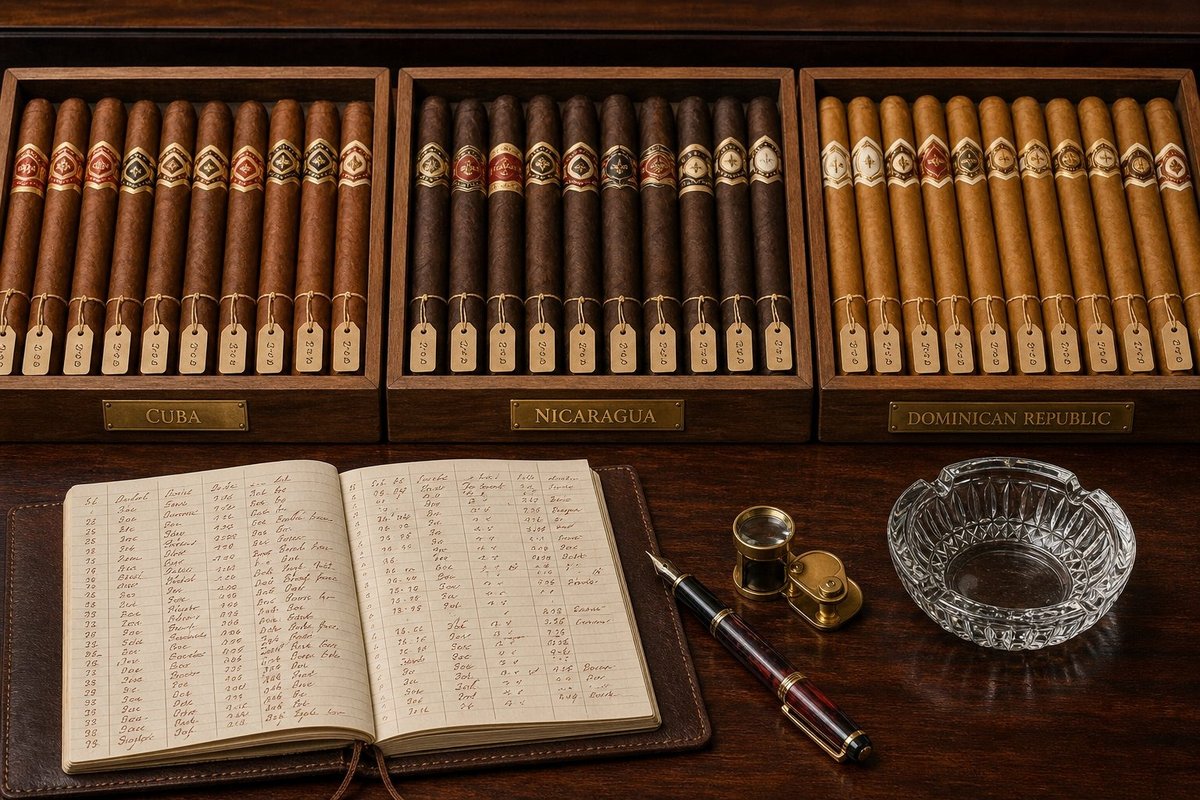
Why we taste blind. Why we remove the band. Why prestige must be earned, not assumed. The philosophical foundation of every score in this magazine.
Cuba Unfiltered
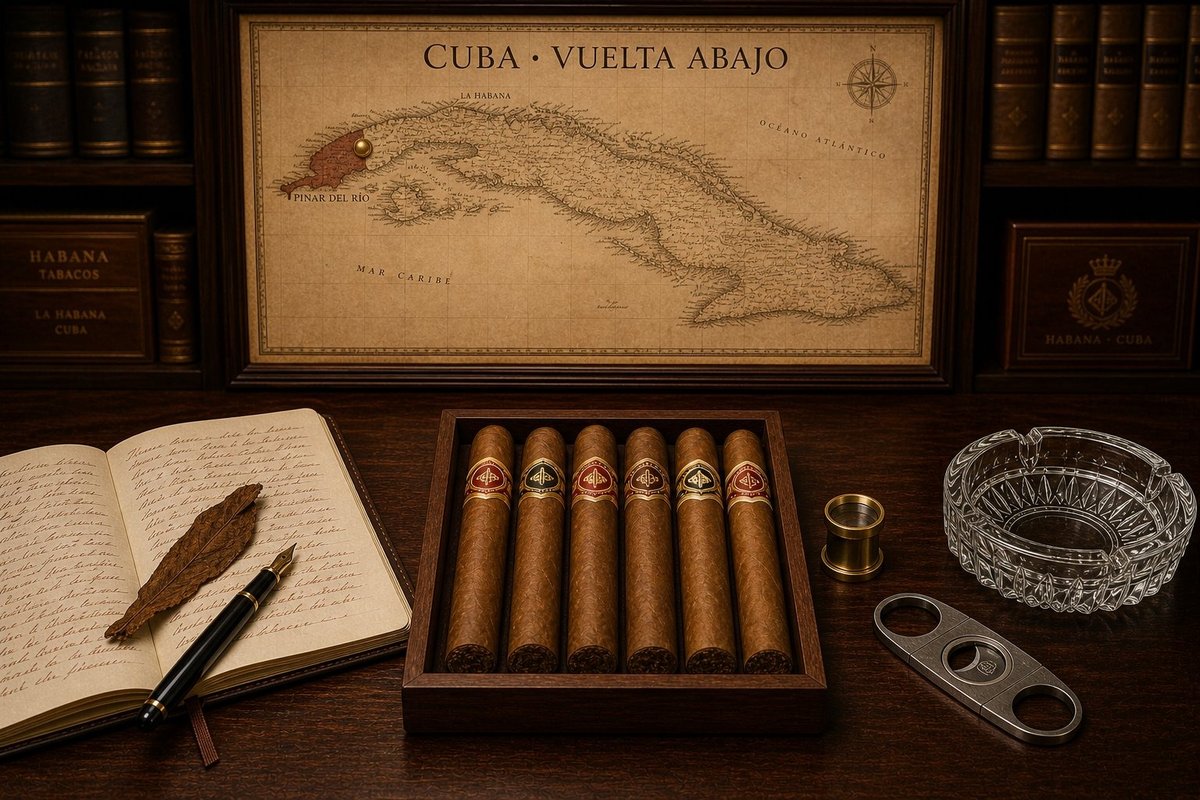
Three weeks in Pinar del Río, six factory visits, forty-one cigars tasted blind — what the island still does better than anyone, and where the legend has overstayed its welcome.
The Architecture of the Blend
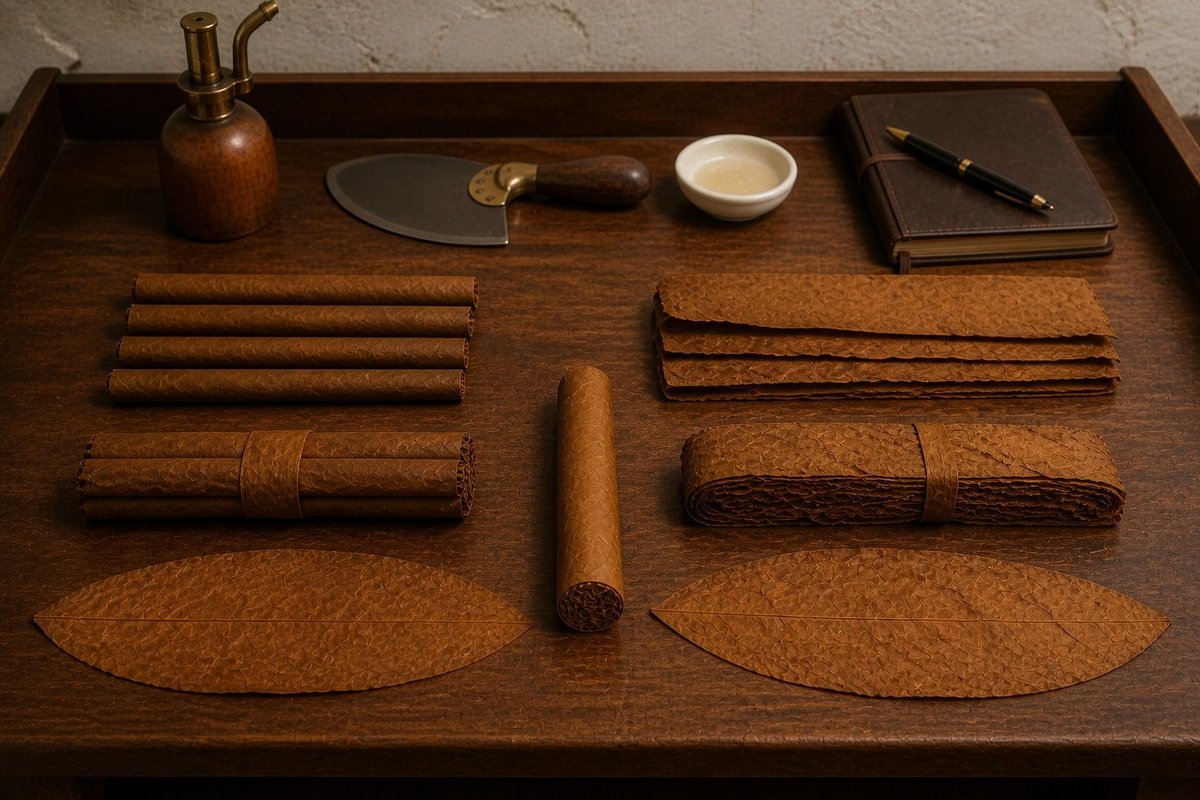
A cigar is not one leaf. It is three or five or seven, layered with intention. How master blenders construct flavor — and why the process remains irreducibly human.
Fake vs. Real Cuban Cigars
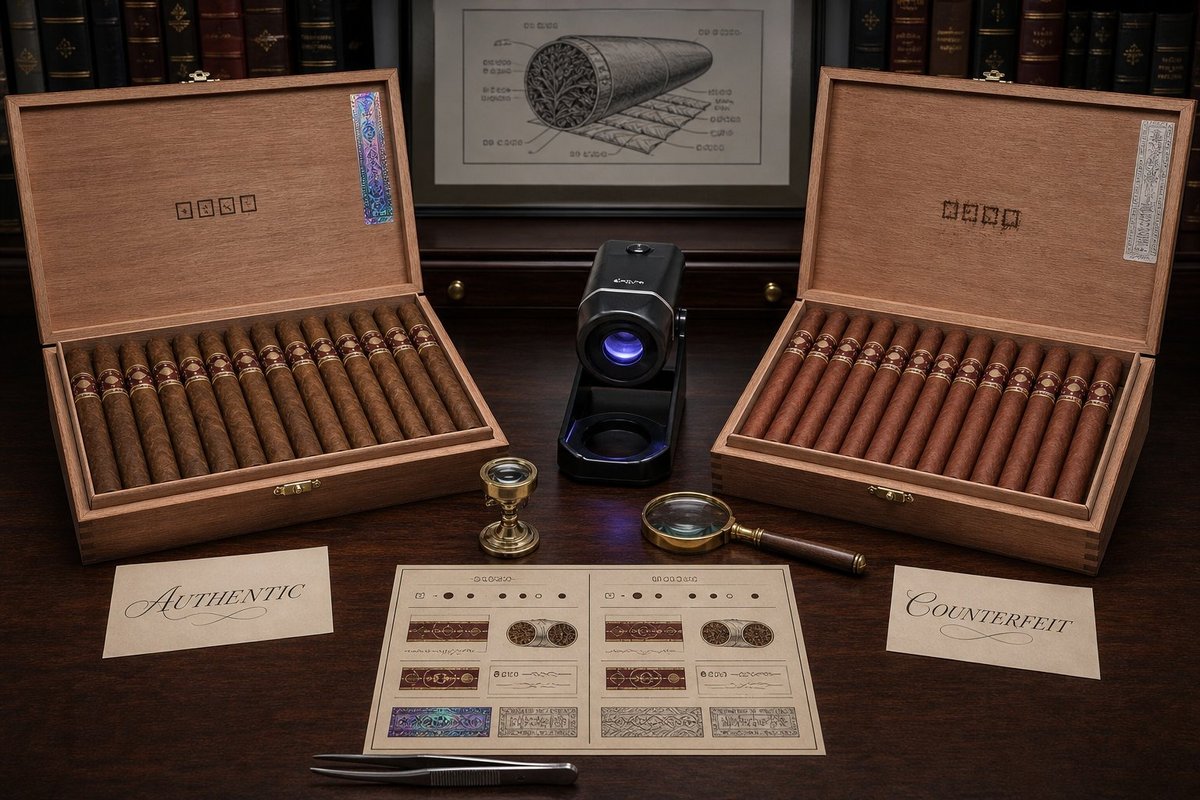
How to tell a real Cuban cigar from a fake. Band analysis, construction tests, and the uncomfortable economics of the counterfeit Habanos market.
The Forbidden Leaf
The embargo shaped the mythology, but the soil shaped the flavor. After sixty years, why do Cuban cigars still taste fundamentally different?
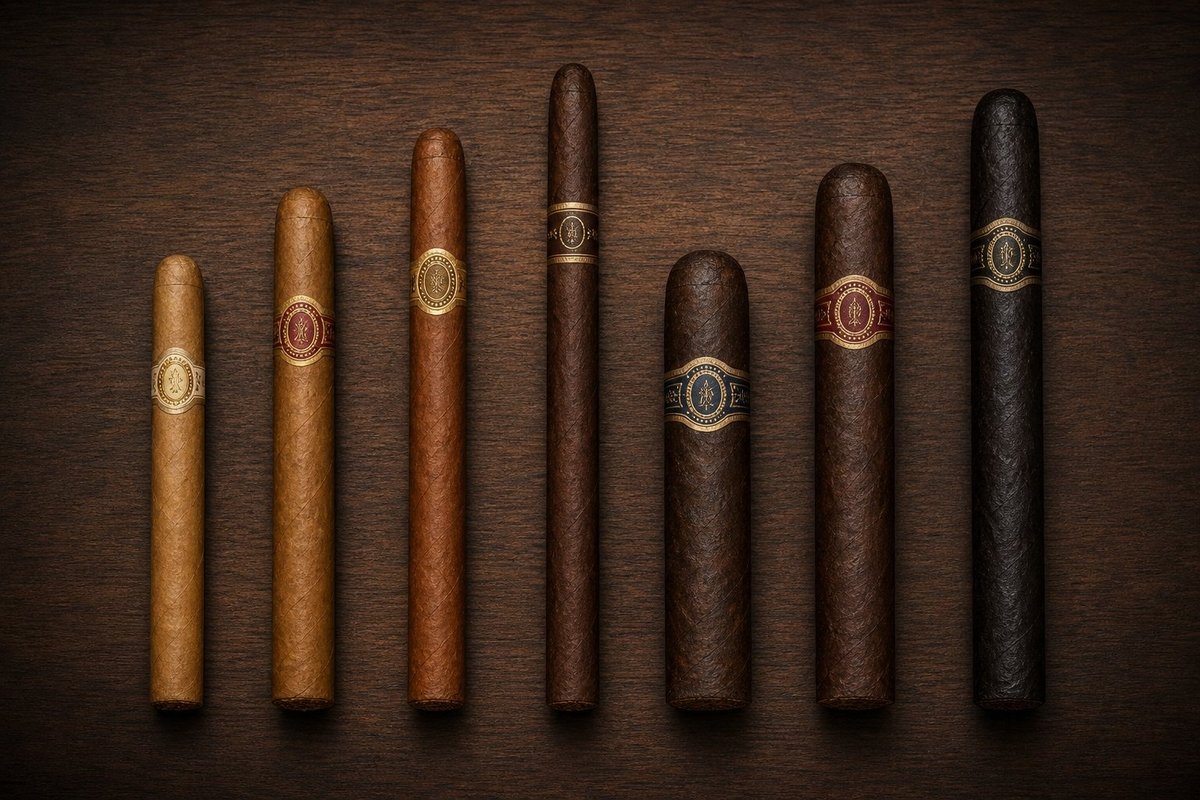
The Cuban Vitola Glossary
Every Cuban cigar shape explained — from the Mareva to the Dalia, from the Prominente to the Franciscano. Dimensions, ring gauges, and what each shape does to the smoke.
Habanos Timeline 1492–2026
Five centuries of Cuban tobacco in one timeline. From Columbus to Cohiba, from the Spanish monopoly to the modern factory system — every defining moment.
The Premium Cigar Market in 2026
Factory output, pricing trends, regional shifts, and the boutique brands disrupting the old guard.
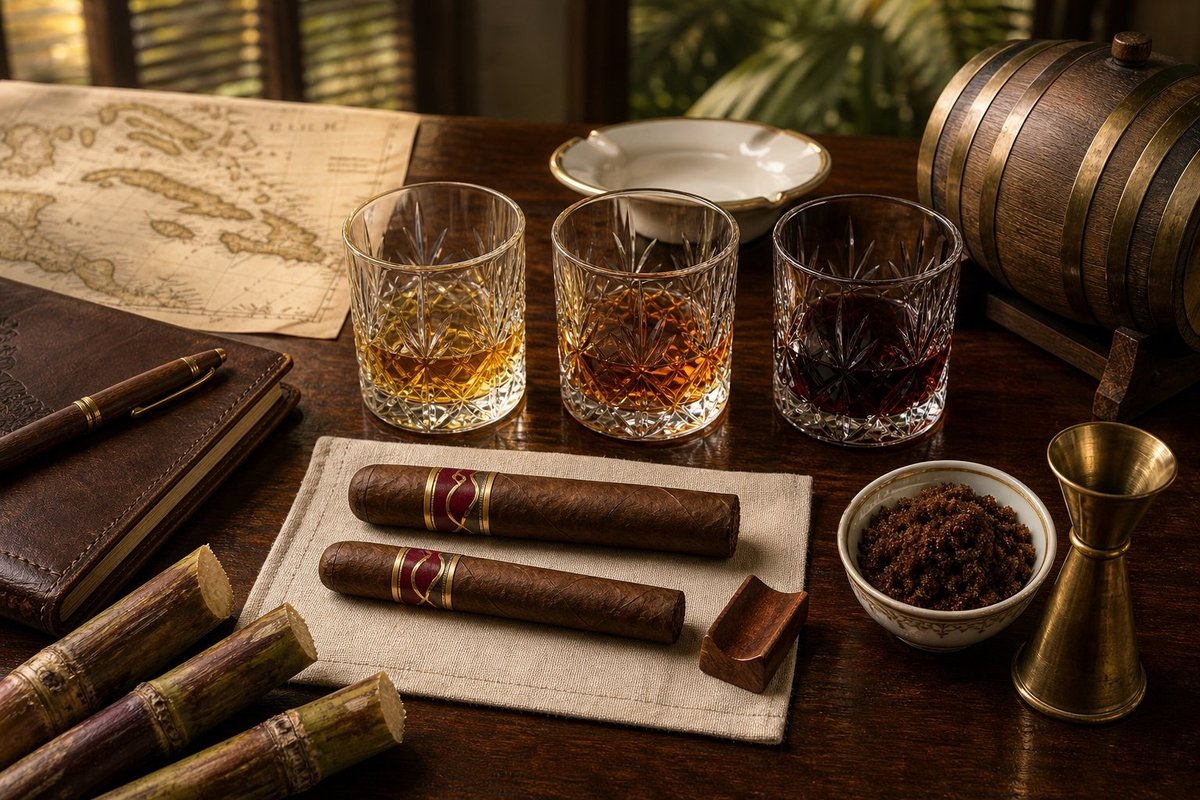
Aged Rum — The Cigar World's Natural Companion
Rum's journey from sugarcane to sophistication. Distillation, aging, blending — and why rum is the cigar world's most natural partner.
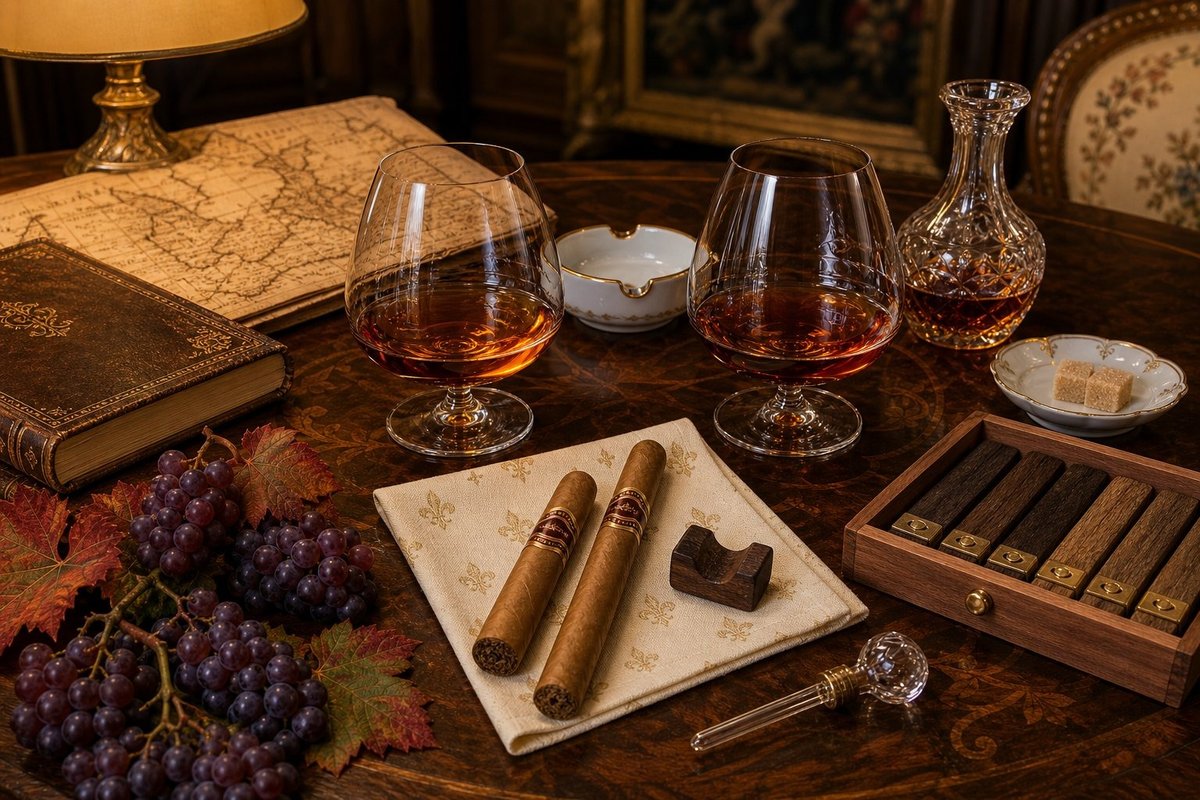
Aged Rum vs. Cognac vs. Bourbon
Aged rum versus cognac versus bourbon — tasted blind alongside the same cigar. Which spirit category wins the pairing, and why?
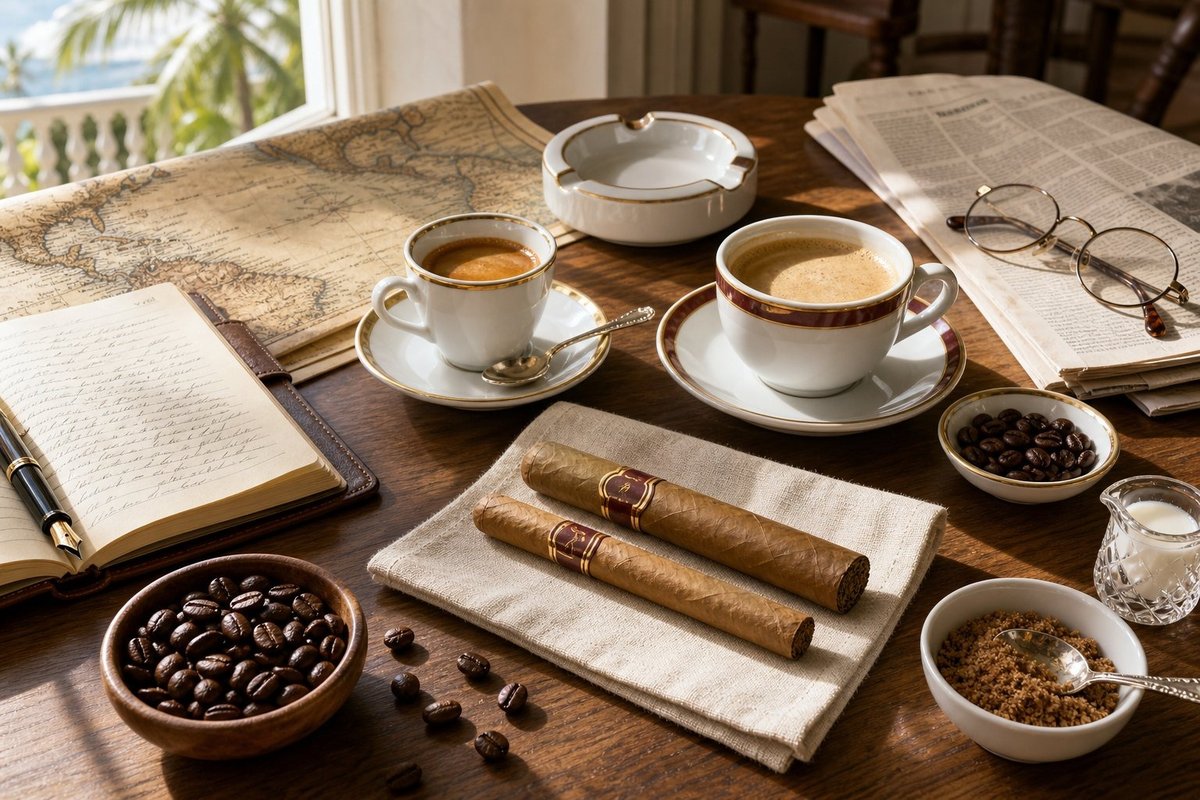
Coffee & Cigars
Before cocktails, before whisky, before the evening habit. The morning cigar paired with exceptional coffee — origins, brewing, and combinations.
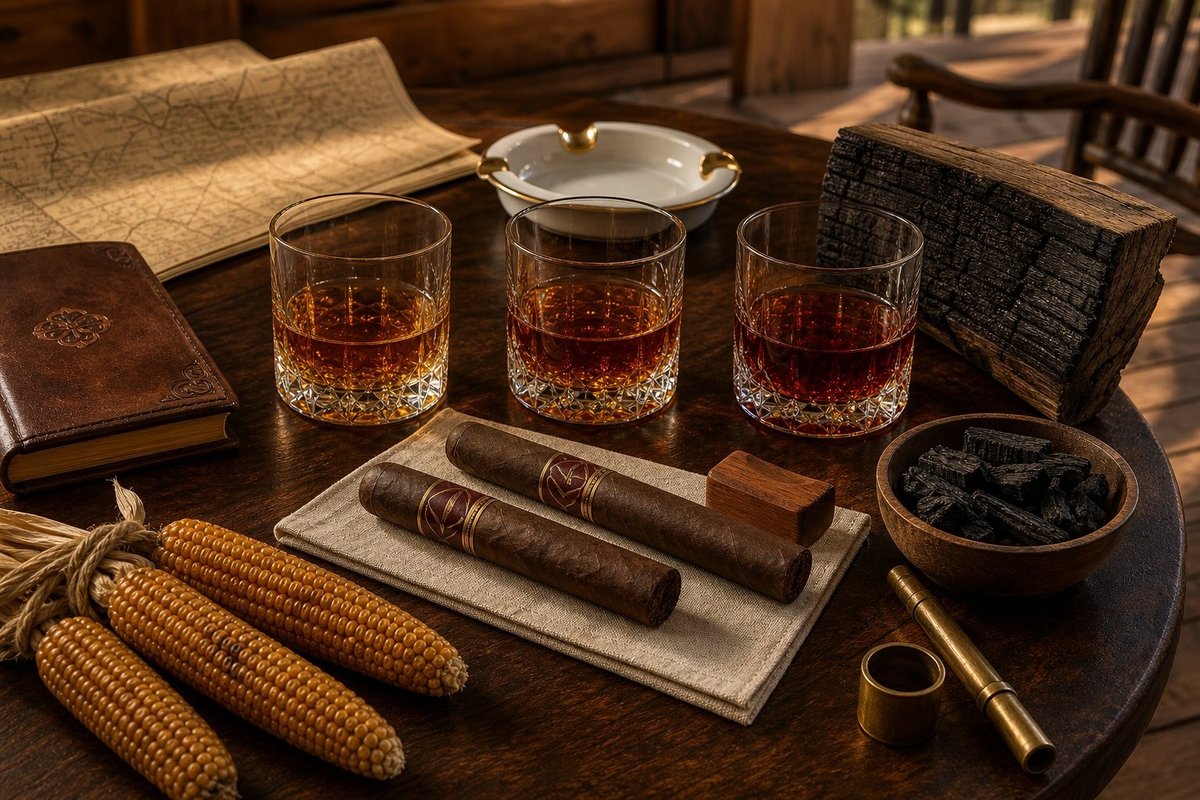
Six Essential Cocktails for the Cigar Hour
Six cocktails every cigar smoker should know how to make. The Old Fashioned, the Manhattan, the Daiquirí, and three more — with precise builds.
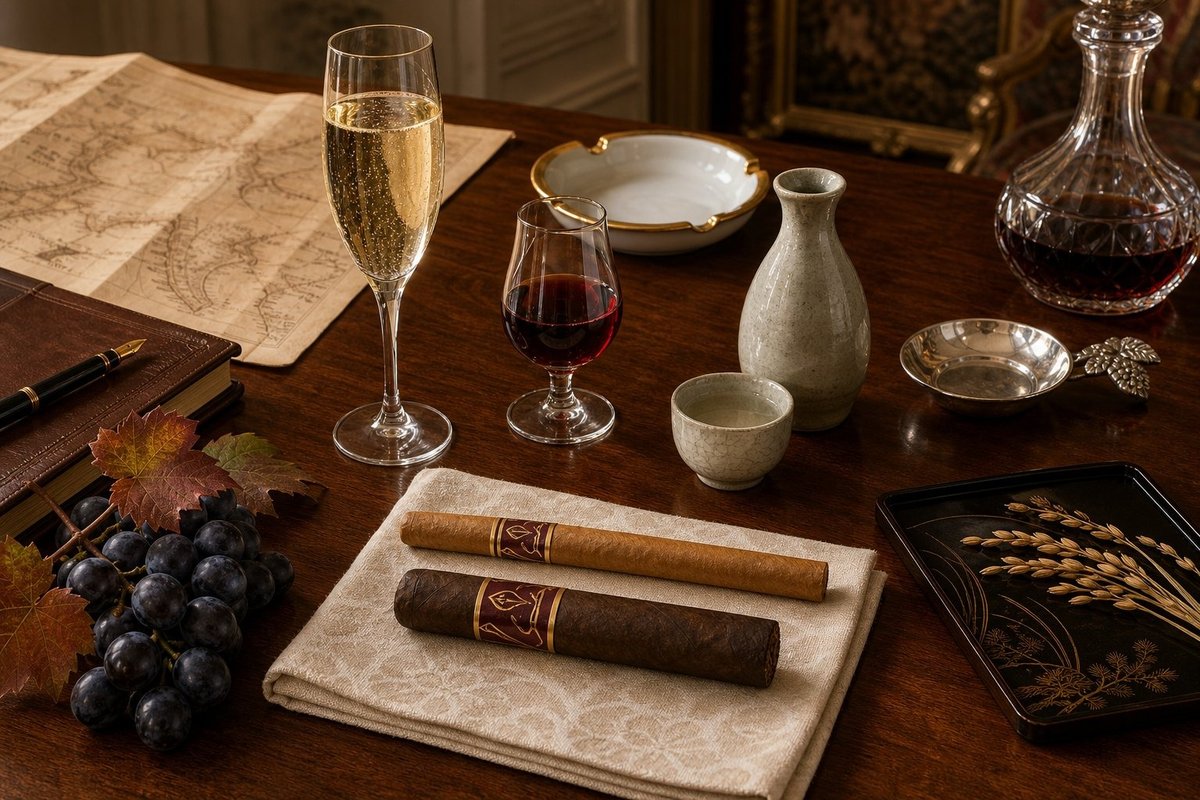
The Negroni Variations
One cocktail, four interpretations. The classic Negroni reimagined for the smoking hour — from the Boulevardier to the Kingston Negroni.
How the KPI Works
How the Kaufmann Pairing Index works — Body Match, Sweetness Contrast, Finish Harmony — and the two pairings that scored highest in our blind panel.
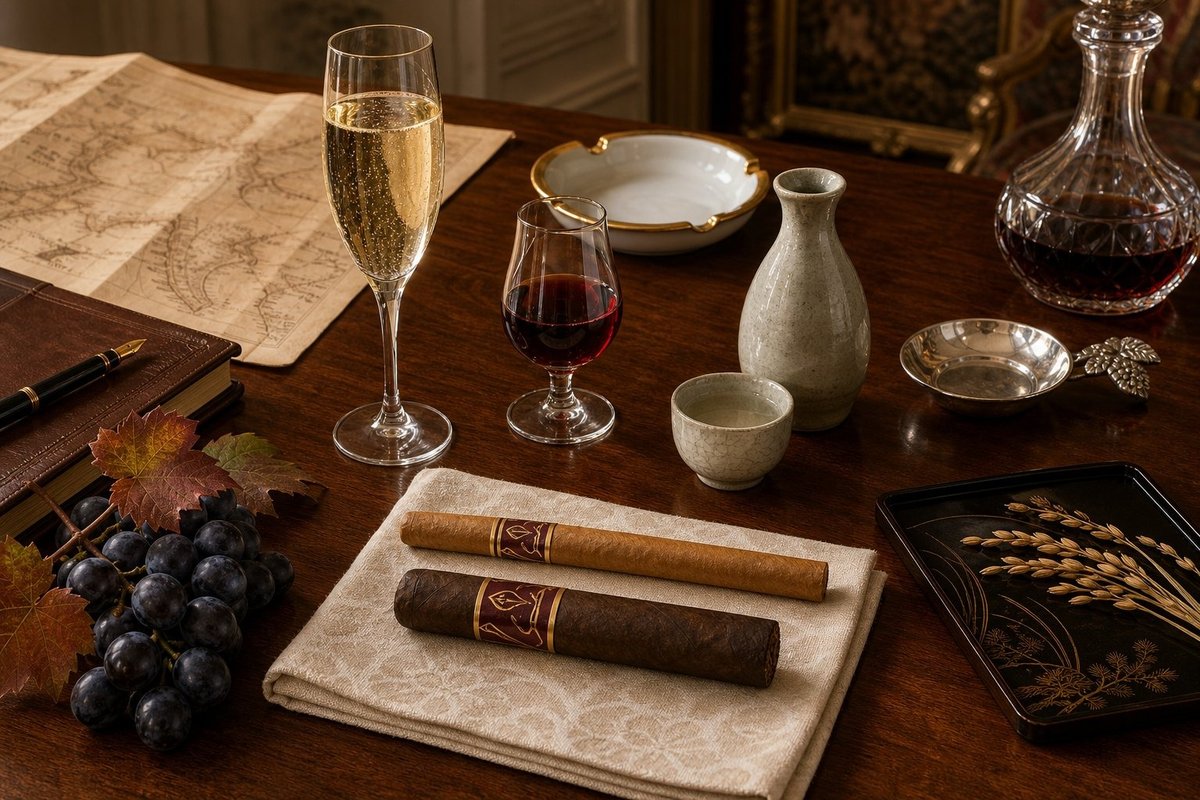
The Austrian Renaissance
The Wachau, the Danube, and a grape called Grüner Veltliner. How Austria's wine renaissance created the most unexpected cigar pairing in Europe.
My Last Havana
A city of smoke, salt, and fading light. One writer's final evening in Havana — walking the Malecón, tasting the last cigar, and saying goodbye to a myth.
Havana — The Fading Jewel
Havana today — beyond the mythology. The lounges, the street vendors, the factory tours, and the fading romance of a city frozen between eras.
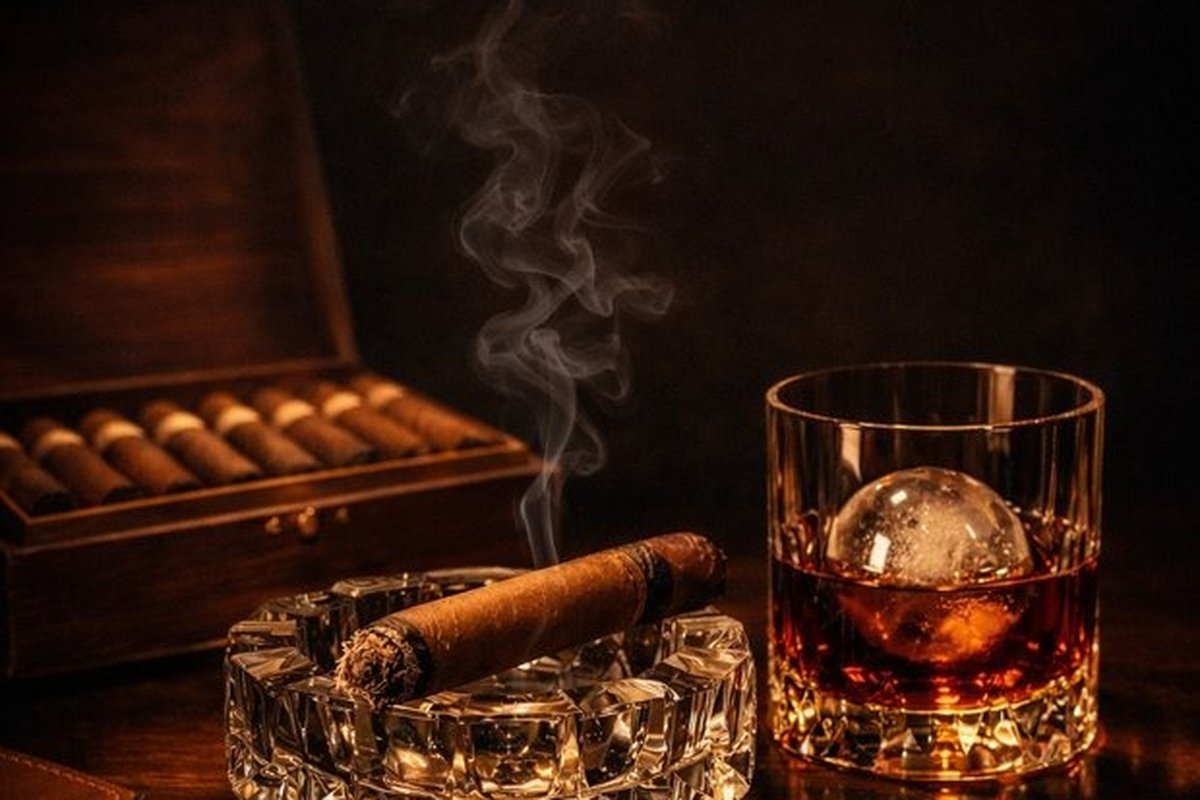
Lima After Midnight
Pisco, smoke, salt, and the Pacific coast. Peru's emerging cigar and cocktail scene, reviewed from the inside.
Tokyo After Dark
In a city where precision governs everything, cigar culture has become an exercise in disciplined pleasure. Tokyo's hidden smoking bars, reviewed.
Monaco
There are few places on earth that concentrate wealth, glamour, and cigar culture into a tighter radius than Monaco.
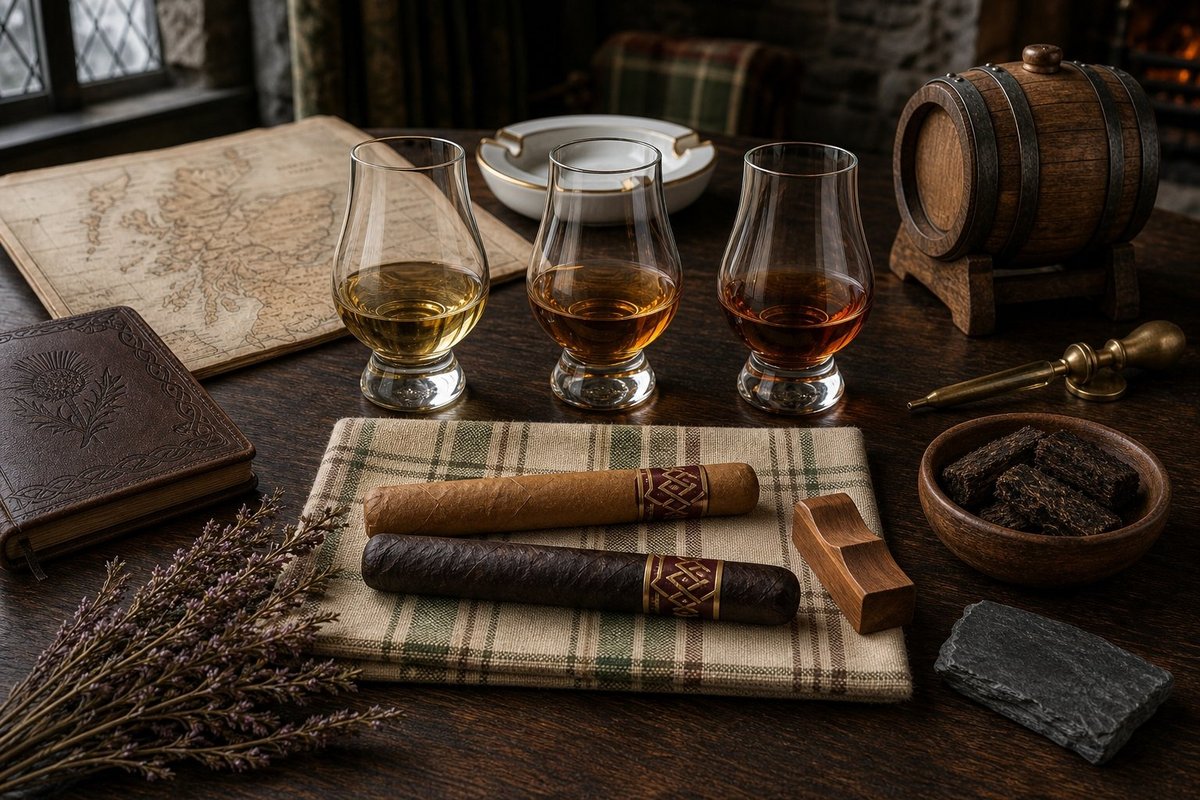
Scotland Whisky Journey
Highlands, Speyside, Islay — a whisky journey through Scotland's distilling regions, with cigar pairings for each style of single malt.
The Connoisseur's Travel Atlas
Fifteen cigar cities, mapped and rated. From Havana to Hong Kong, from Geneva to Buenos Aires — the connoisseur's global itinerary.
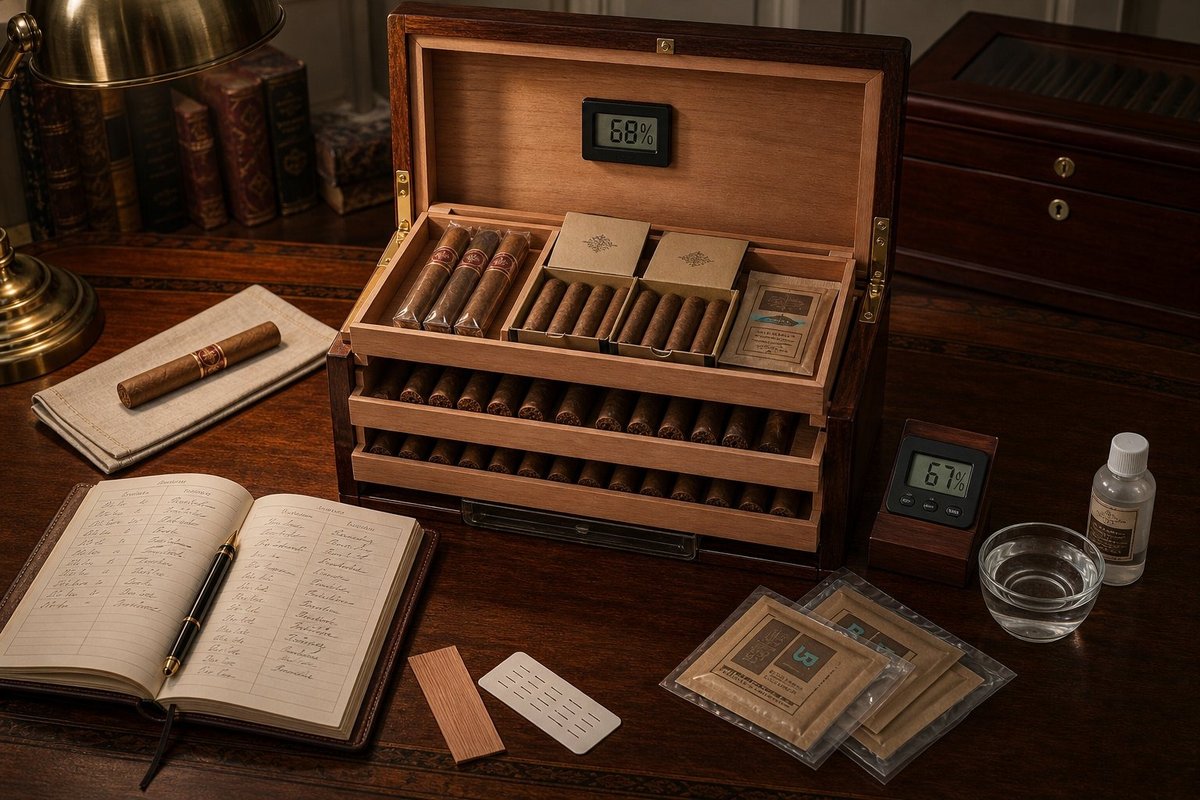
The Humidor
A practical setup guide for the serious smoker. Spanish cedar, digital hygrometers, seasoning protocols, and the mistakes that ruin collections.
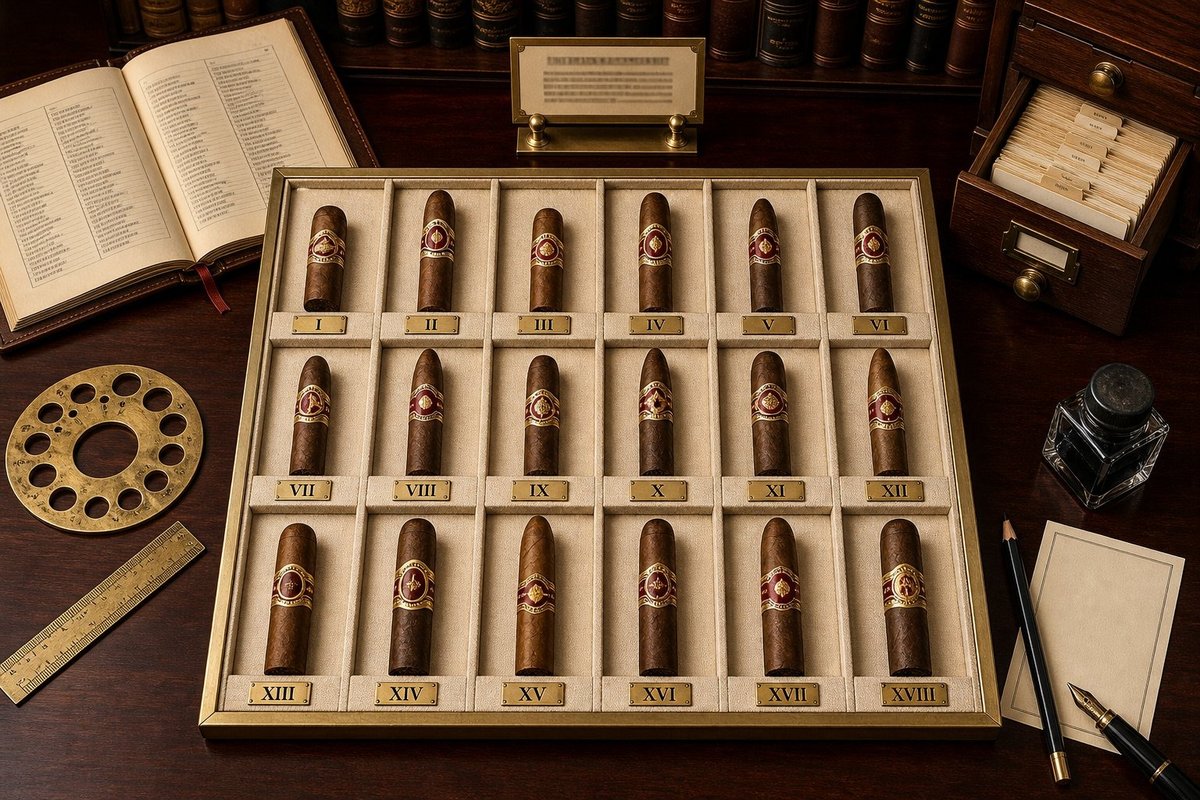
The Investment Humidor
The investment humidor — which cigars appreciate, which don't, and how to build a collection that pays for itself over a decade.
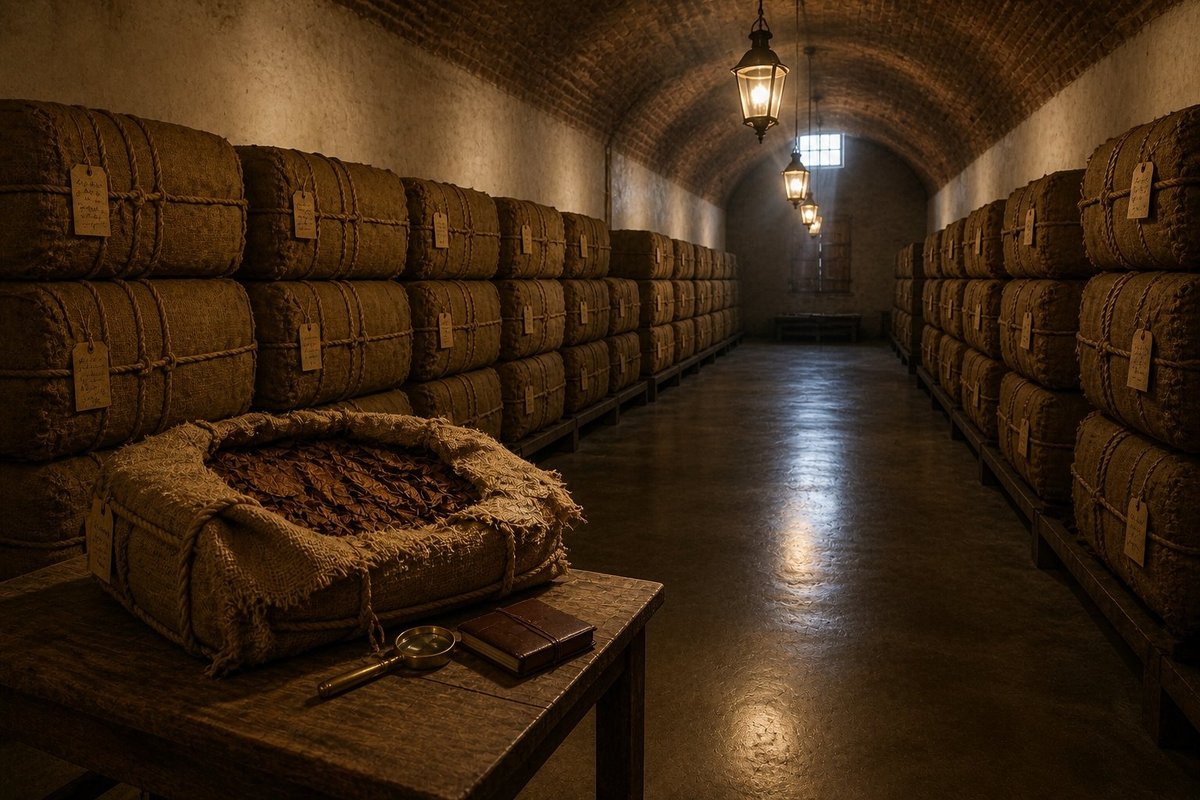
Auction Houses & Aging
The secondary cigar market is booming. Pre-embargo Cubans, aged Padrón vintages, and the auction houses where serious collectors compete.
Watches, Wheels & Wood
Watches, wheels, and wood — the accessories and machines that belong in the smoker's world. Curated, opinionated, and unapologetically selective.
How to Host a Cigar Evening
How to host a cigar evening that people remember. The cigars, the drinks, the ashtrays, the music, the seating — every detail considered.
The Architecture of Smoke
Why great cigar lounges feel different from ordinary bars. Space, ventilation, light, and material shape the experience of smoking indoors.
The Miami Lounges
Miami understands luxury differently. Brickell, South Beach, and the future of Florida's cigar lounge scene — reviewed, rated, and mapped.
Luxury Vessels
For the serious collector, the right vessel matters as much as the spirit it holds. Crystal, brass, and the art of presentation.
The Drive
The cars that belong in the connoisseur's garage. Performance, elegance, and the machines that match the cigar lifestyle.
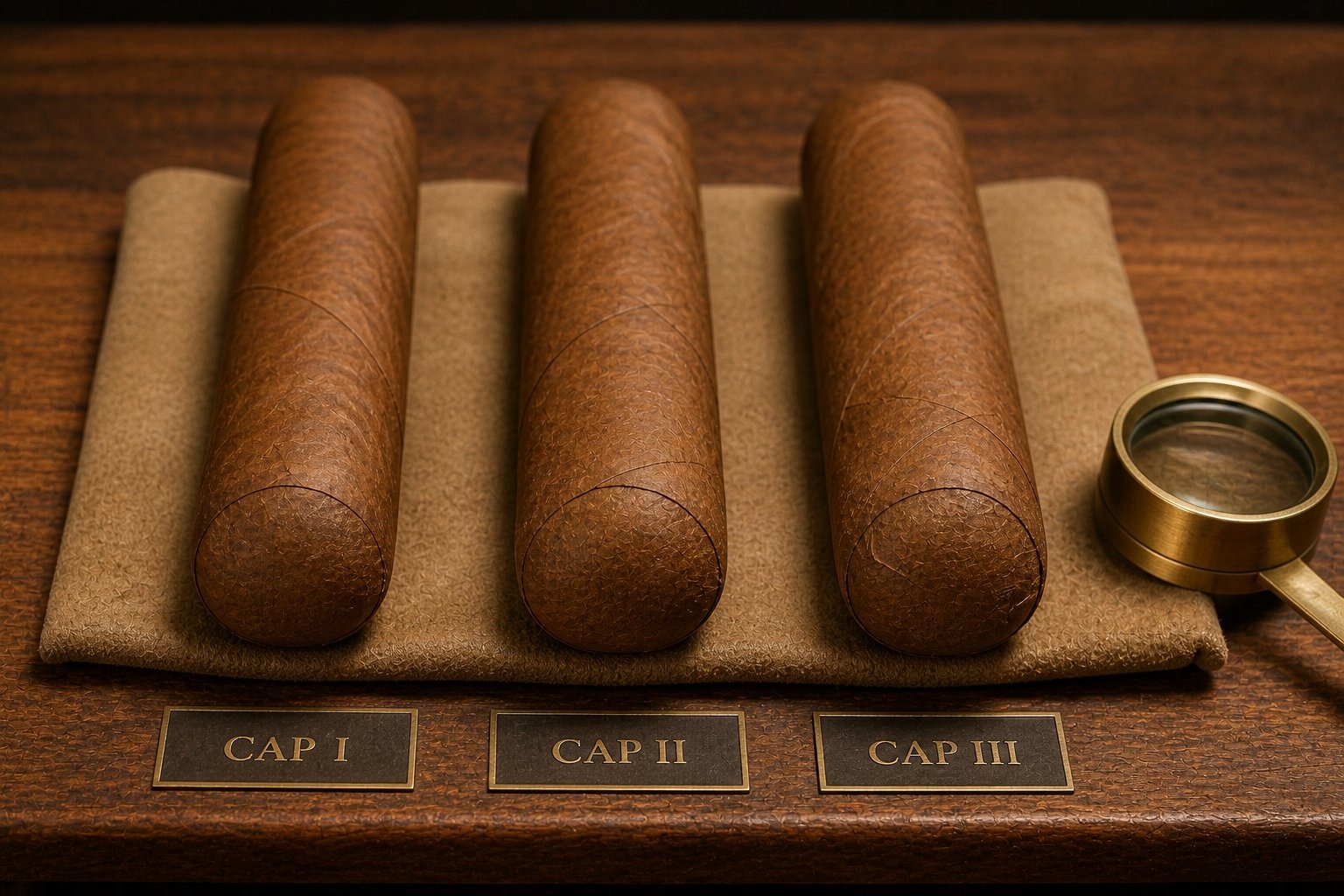
On the Triple Cap: Why Three Seams Matter
A short note on the most reliable visual signature of premium Cuban-tradition rolling — and the easiest counterfeit-detection test the smoker can perform without equipment.
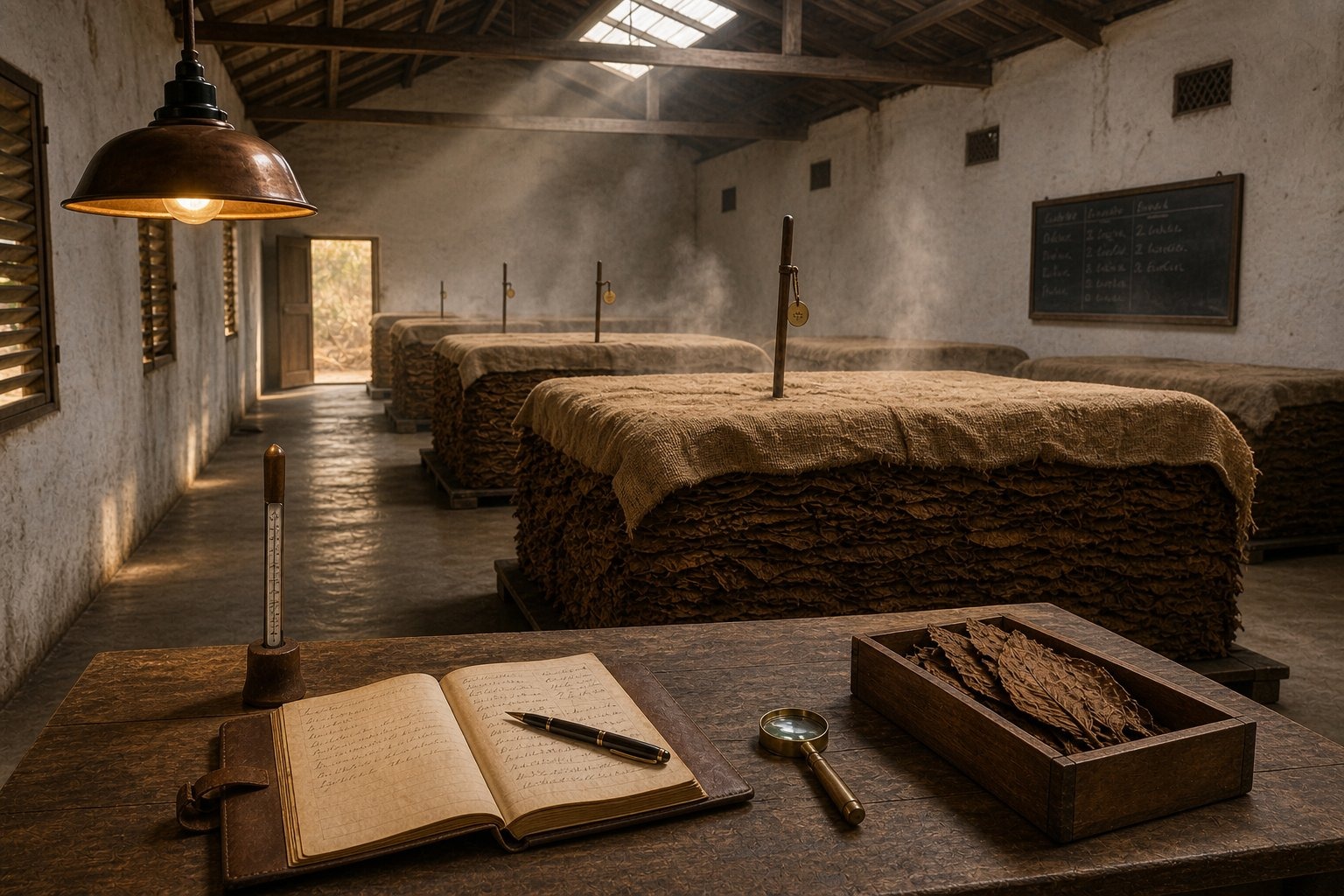
Estelí, Mid-March: A Note from the Fermentation Room
A short editorial vignette from a Nicaraguan fermentation house. The pilón, the master, the slow chemistry of becoming smokable.
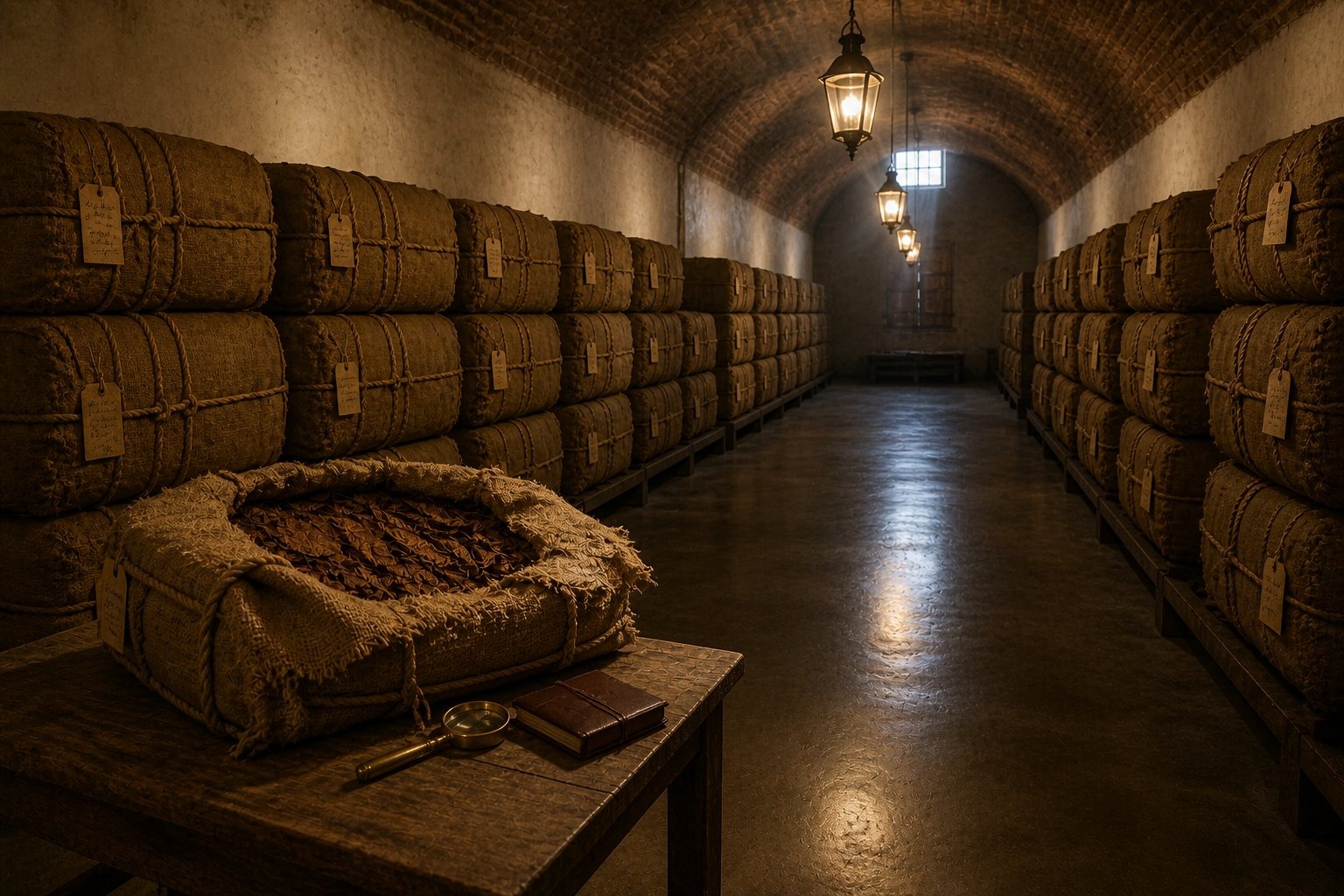
The Padrón Family Reserve: Ten Years In, By Design
The Padrón Family Reserve aging discipline is one of the most demanding in the modern industry. A short note on what ten years of patience actually buys.
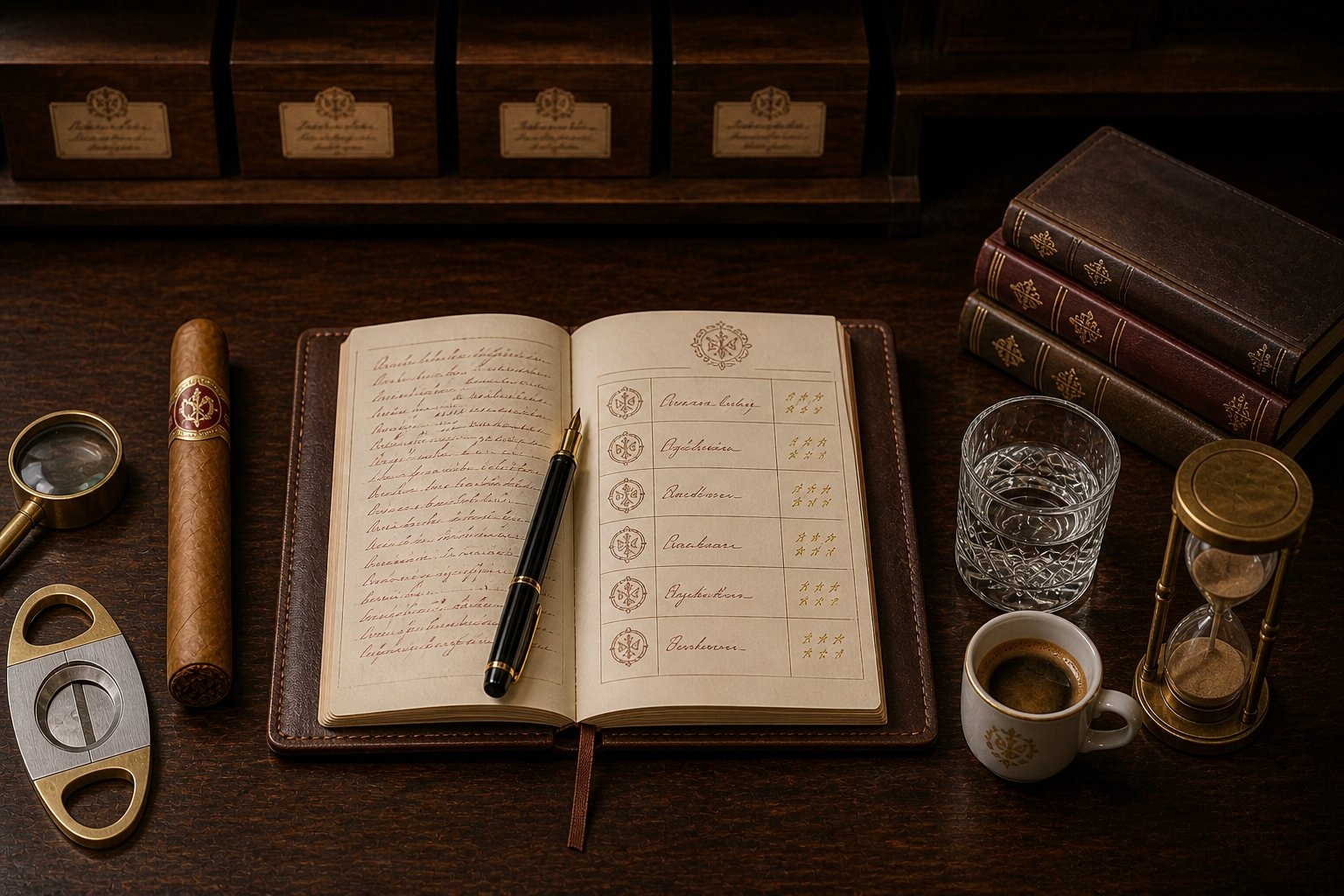
The KCS Score, Explained
Wine has Robert Parker. Whisky has Jim Murray. Premium cigars, until 2026, had only competing magazine ratings. The KCS rubric, made public.
Cohiba vs Padrón
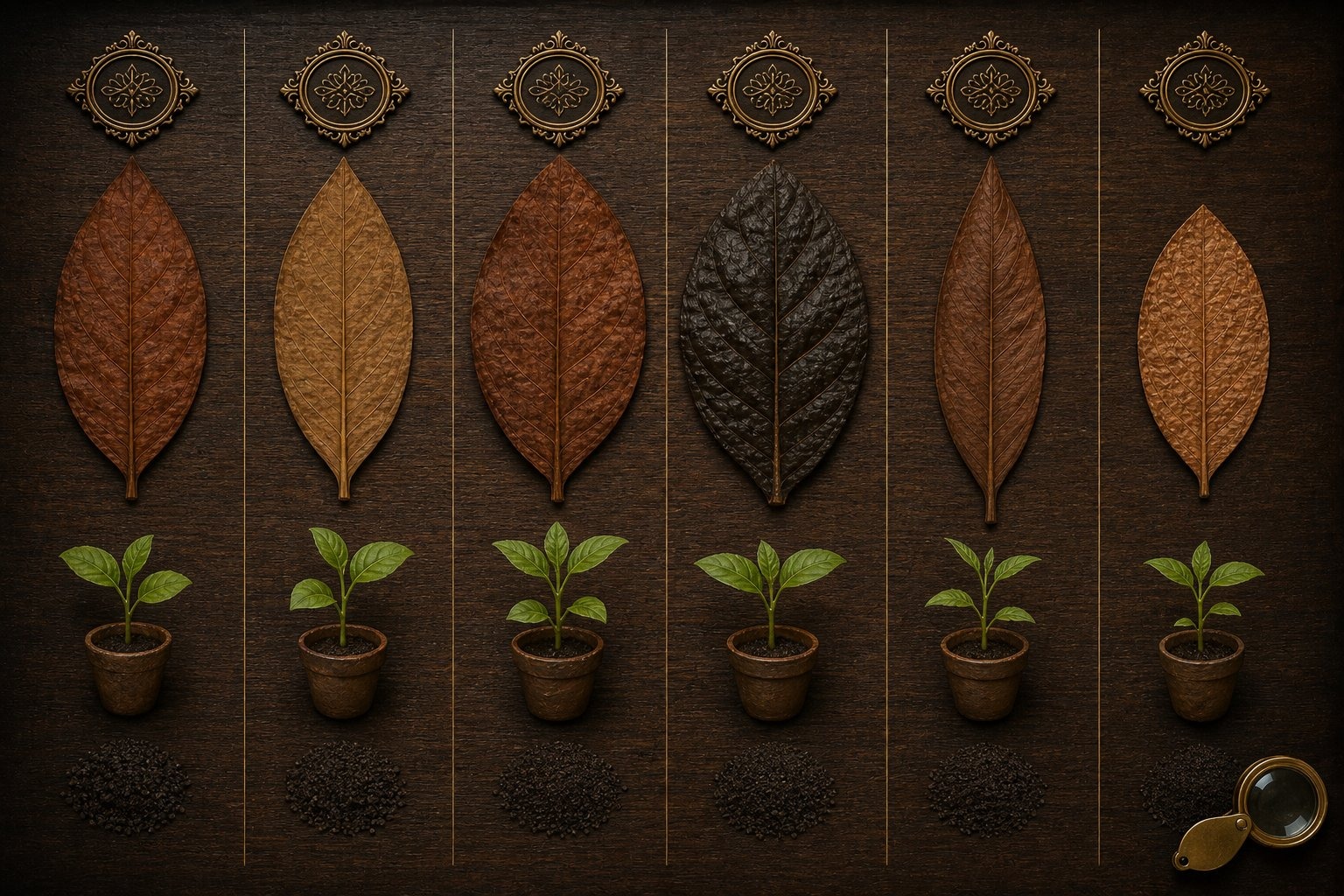
Two cigars dominate the upper end of the premium market. Both reach the Legendary band on the KCS rubric. They could hardly arrive there by more different routes.
Aged Rum vs Bourbon
Both pairings score three stars on the KCS matrix for premium maduros. They are not interchangeable — and the editorial logic of when to choose which fills the difference between a good evening and a memorable one.
Ring Gauge Inflation
In 1992 the bestselling premium cigar was a 5.5 × 49 corona-extra. In 2024 the bestselling vitola was a 6 × 60 toro gordo. Three decades, eleven additional ring points — and what was lost.
Medio Tiempo: The Rarest Leaf
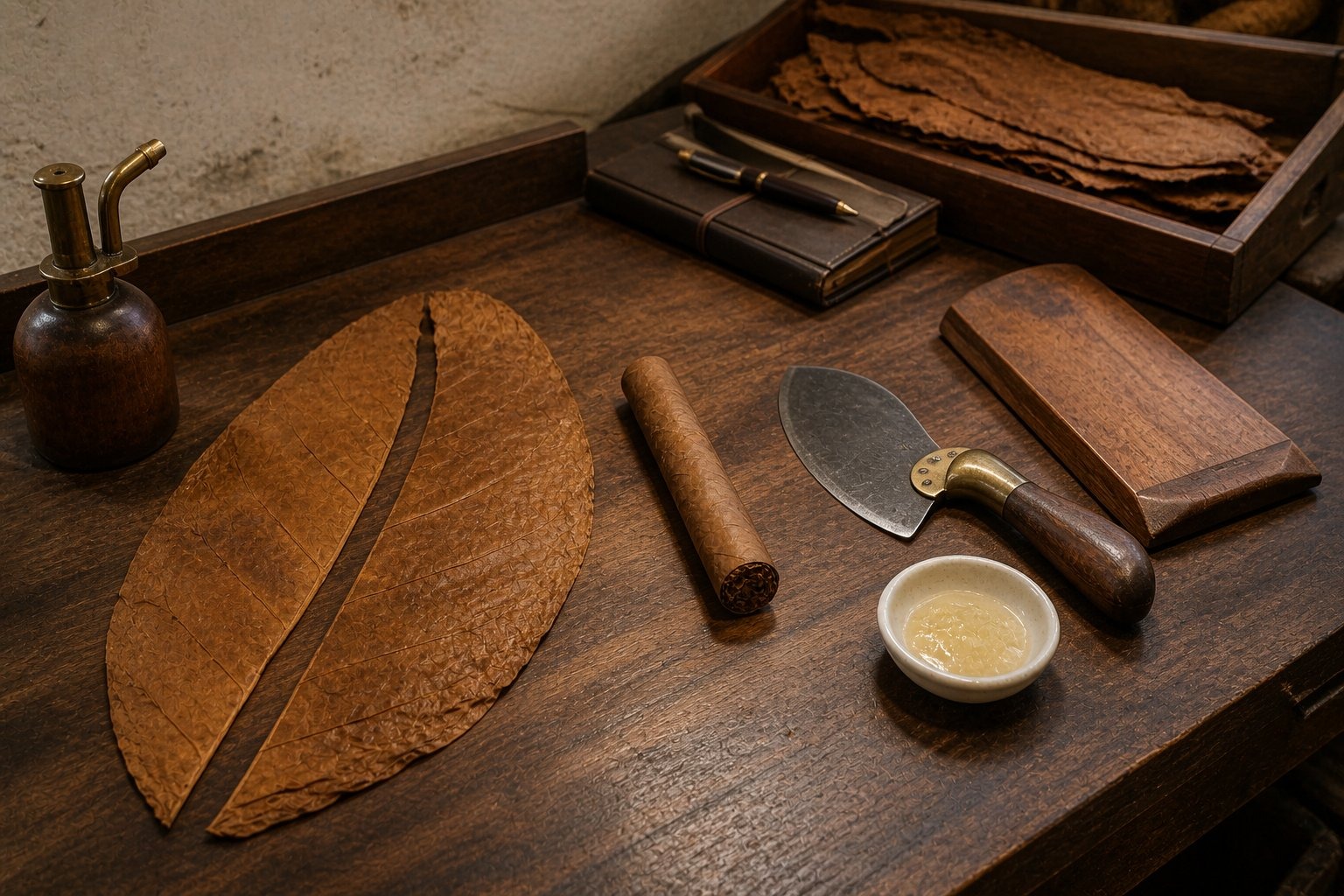
Perhaps one plant in twenty produces a medio tiempo leaf of usable quality. The leaf defines the Cohiba Behike line and serves as proof of authenticity for the world’s most counterfeited cigar.
The Starter Humidor: 2026
Twenty-five cigars, four producing countries, three flavor families, the full body-weight spectrum. The encyclopedia’s editorial recommendation for the first serious humidor — calibrated for 2026 prices.
Wrapper Economics
The wrapper is by weight the most expensive component of any premium cigar — 40 to 60 percent of the leaf budget for 15 percent of the tobacco mass. Understanding why explains why cigars cost what they do.