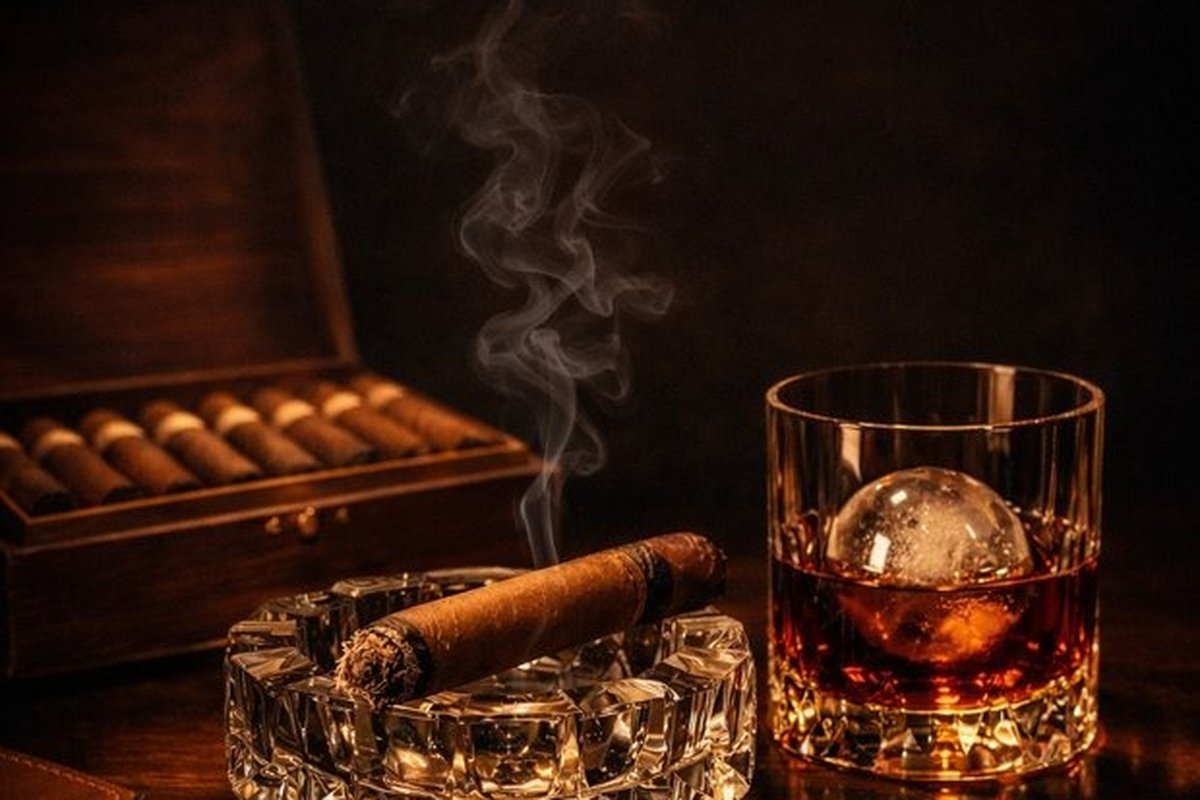
The serious cigar traveler's circuit comprises approximately fifteen cities. Some are obvious — Havana, Geneva, Hong Kong. Others are less obvious — Estelí, Santo Domingo, Lima. Together they form the global itinerary that the connoisseur, given fifteen years and adequate resources, would assemble as the comprehensive map of the modern premium cigar world.
The Five Essential Cities
Havana remains the irreducible point of origin. The cigar traveler who has not visited Havana has not completed the circuit, regardless of how many other cities they have toured. The Partagás factory, the Casa del Habano at the Hotel Habana Libre, the Hotel Nacional terrace, the Floridita, the Malecón at evening — these are the canonical reference points of the cigar tradition.
Geneva is the European cigar capital. The Davidoff flagship store on Rue de Rive, the Bürkli-Platz humidor selection, the Hotel des Bergues cigar terrace, and the lakefront walks that connect them deliver the European institutional cigar tradition at its most refined. Geneva is the right city for the visitor who values the institutional discipline of the European cigar tradition.
Hong Kong is the global cigar trading hub. The Mandarin Oriental cigar bar, the Pacific Place humidor outposts, and the Repulse Bay cigar terrace combine the deepest international cigar selection with the most sophisticated cocktail program in any single Asian city. Hong Kong is the right city for the visitor who values the depth of selection and the international cigar community's concentration.
Estelí is the modern production capital. The Padrón factory, the My Father factory, the Drew Estate factory, and the Plasencia operations are all in the same Nicaraguan valley. The serious cigar aficionado who wants to understand the modern industry's production discipline should visit Estelí at least once. The factory tours are operational rather than touristic; the experience is industrial rather than romantic.
Santo Domingo is the Dominican production center. The Tabadom factory (where Davidoff is produced), the Tabacalera de García operations, and the broader Cibao Valley tobacco region together represent the Dominican Republic's contribution to the modern premium tradition. The visit is less photogenic than Havana but more substantively informative.
The Ten Supporting Cities
Miami — the American cigar capital and the principal point of access to Cuban-emigrant cigar culture in the United States. Calle Ocho's Little Havana, the Brickell luxury cigar lounges, and the Coconut Grove cigar establishments together form the American mainland's most complete cigar scene.
Buenos Aires — the South American cigar capital. The Recoleta cigar establishments, the Tigre Delta cigar club operations, and the Argentine Malbec-and-cigar tradition together deliver one of the most sophisticated South American cigar circuits.
London — the institutional British cigar tradition. The Davidoff London, the Sautter at St. James, the Dunhill humidor, and the gentlemen's club cigar tradition still operating at the Garrick, the Travellers, and the Savile deliver the most refined British cigar experience available.
Monte Carlo — the Mediterranean luxury cigar tradition. The Casino terrace, the Hotel de Paris, and the Yacht Club de Monaco cigar service together represent the principality's compressed concentration of cigar establishment.
Vienna — the Austrian café-and-cigar tradition. The Café Central, the Hotel Sacher cigar terrace, and the Heuriger cigar evenings deliver a distinctive central European cigar context.
Lima — the emerging South American capital profiled in detail in this issue. The Country Club Lima Hotel, the Belmond Miraflores, and the Maido restaurant cigar service represent the new South American cigar tradition.
Tokyo — the precision Asian cigar tradition profiled in this issue. The Ginza cigar bars deliver the most disciplined cigar service of any city.
Zürich — the secondary Swiss cigar capital. The Baur au Lac cigar service and the Pelikanplatz humidor outposts complement the Geneva tradition.
Lisbon — the emerging Iberian cigar capital. The Avenida Liberdade cigar establishments and the Estoril hotel cigar terraces represent a small but growing Portuguese cigar scene.
Singapore — the Asian cigar trading hub complementing Hong Kong. The Raffles cigar bar, the Marina Bay Sands cigar service, and the small but disciplined boutique cigar venues represent the city-state's particular cigar tradition.
The Itinerary Question
The cigar traveler should not attempt all fifteen cities in a single year. The proper pacing is two or three major cities per year over a five-to-seven-year period, with the resulting experience accumulating into a comprehensive understanding of the global premium tradition. The visitor who attempts the full circuit in a compressed timeframe will return home with photographs but without the substantive understanding that the slow pacing produces.
The recommended sequence: start with Havana (the irreducible origin); proceed to Estelí or Santo Domingo (the modern production capitals) to understand how the industry has evolved; visit Geneva or London (the institutional European tradition) to understand the international cigar establishment; expand into Hong Kong or Tokyo (the Asian traditions) to understand how the cigar tradition has internationalized; and complete the circuit with the supporting cities that align with personal interests in spirits, food, or specific cultural contexts.
The global cigar traveler's circuit is one of the few remaining premium travel itineraries that combines genuine craft appreciation with significant cultural depth. The serious aficionado who completes the circuit emerges with a substantive understanding of one of the world's most refined and persistent traditions.