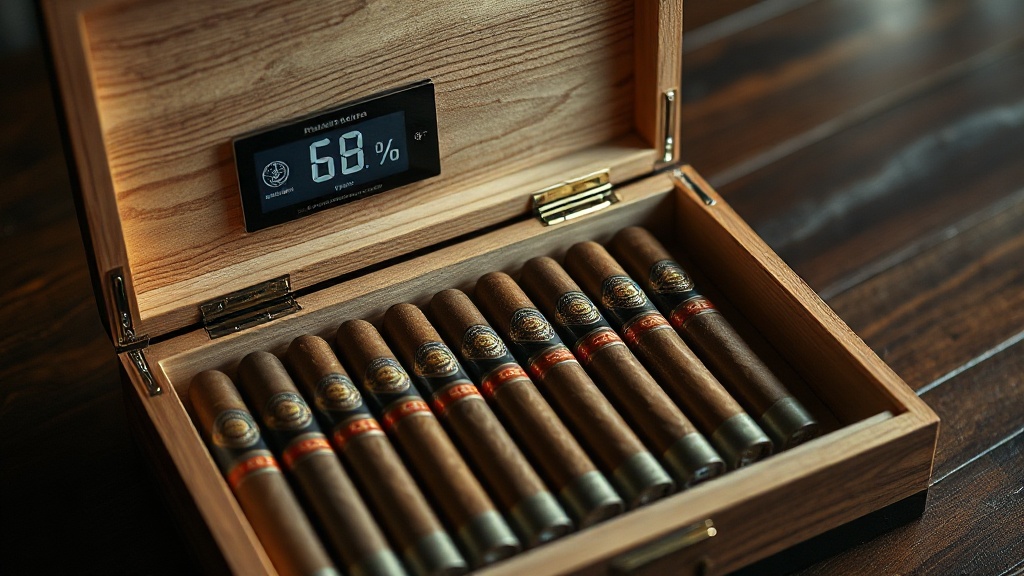
The aficionado entering the premium cigar world in 2026 faces a different starting environment than the enthusiast of even ten years ago. Cuban cigars remain difficult to access for U.S. residents but easy to acquire elsewhere; New World production has matured to the point that the upper Nicaraguan and Dominican brands compete on equal footing with Habanos; price inflation has pushed the entry-level premium tier from approximately $8 per stick (2015) to approximately $13–15 per stick (2026); and ring gauge inflation has pushed the default vitola from 5 × 50 robusto toward 6 × 60 toro gordo, though the smaller formats have begun a slow editorial reversal.
This article is the encyclopedia's editorial recommendation for the first 25 cigars in a serious starter humidor. The list assumes a budget of approximately $300 and covers the body-weight spectrum, three of the four major producing countries (Cuba, Nicaragua, Dominican Republic), and at least one cigar from each of the major flavor families.
The Foundation: Five Reference Cigars
These five cigars define the corners of the premium spectrum. After smoking each at least twice, the new aficionado will have a palate calibrated against the major flavor architectures.
| Cigar | Vitola | Country | ~ Price |
|---|---|---|---|
| Romeo y Julieta Churchill | Churchill (47 × 7) | Cuba | $22 |
| Padrón 1964 Anniversary | Exclusivo (50 × 5.5) | Nicaragua | $18 |
| Davidoff Aniversario No. 3 | Churchill (50 × 7) | Dominican Republic | $32 |
| Arturo Fuente Hemingway Short Story | Petit perfecto (49 × 4) | Dominican Republic | $10 |
| Partagás Serie D No. 4 | Robusto (50 × 5.0) | Cuba | $18 |
The Romeo y Julieta Churchill is the Cuban classical reference — restrained sweetness, Speyside-whisky parallel flavor architecture, the cigar that defines what "Cuban" means to most modern aficionados. The Padrón 1964 is the Nicaraguan benchmark — sun-grown depth, espresso and dark chocolate, ten-year aging discipline visible in the smoke. The Davidoff Aniversario is the Dominican refinement endpoint — the most polished Connecticut shade wrapper experience commercially available. The Hemingway Short Story is the format study — a perfecto small enough to smoke in 35–40 minutes, demonstrating that small does not mean less. The Partagás Serie D No. 4 is the Cuban full-bodied counterweight to the Romeo Churchill — same factory tradition, opposite flavor weight, essential comparison.
The Body-Weight Spectrum: Five Additional Cigars
Adding these five fills out the body-weight axis and introduces wrapper variation:
| Cigar | Body Weight | Wrapper | ~ Price |
|---|---|---|---|
| Macanudo Café (Hyde Park) | Light | Connecticut Shade | $10 |
| Hoyo de Monterrey Epicure No. 2 | Light-medium | Habano (Cuban) | $15 |
| Aganorsa Leaf Aniversario | Medium | Habano (Nicaraguan) | $13 |
| My Father Le Bijou 1922 | Medium-full | Habano Oscuro | $15 |
| Drew Estate Liga Privada No. 9 | Full | Connecticut Broadleaf | $15 |
The Macanudo establishes the floor of the body-weight scale; the Liga Privada No. 9 establishes the ceiling. The three between trace the gradient in approximately one-quarter steps. After smoking these alongside the foundational five, the aficionado has a calibrated palate against the body-weight axis from light to full.
The Variation: Five More Cigars
These cigars introduce flavor families and wrapper traditions that the foundational ten do not cover:
- Trinidad Fundadores (Cuba, lancero, $24): The lancero format study. The smaller ring gauge produces compressed evolution, more transparent wrapper expression.
- Plasencia Alma Fuerte Generación V Sixto II (Nicaragua, $13): The leather-cocoa-espresso flavor architecture of contemporary Nicaraguan boutique production.
- Joya de Nicaragua Antaño (Nicaragua, $9): The "old-style" Nicaraguan blend, full-bodied without aggressive ligero, demonstrating that depth is not the same as harshness.
- Camacho Triple Maduro (Honduras, $11): A wrapper-binder-filler all-maduro construction. Demonstrates how tobacco fermentation drives sweetness.
- Fuente Don Carlos No. 4 (Dominican Republic, $14): The Cameroon-wrapper experience — a wrapper origin no other major brand uses at this scale.
The Aspirational: Five Premium Cigars
Reserve these for after the first fifteen are familiar. They establish the upper end of the experience and provide reference for what "premium" means at the legendary tier:
- Cohiba Siglo VI (Cuba, $35): The Línea Clásica flagship. Modern-Cuban refinement at full extension.
- Padrón 1926 Serie No. 9 Maduro (Nicaragua, $25): Ten-year-aged maduro discipline. The New World's response to Cuban prestige.
- Arturo Fuente Opus X No. 6 (Dominican Republic, $25): Sun-grown Dominican wrapper — a category that exists almost entirely because of this brand.
- H. Upmann Magnum 50 (Cuba, $20): Cuban cedar-and-leather restraint at premium-tier construction.
- Davidoff Royal Release Robusto (Dominican Republic, $40): Aspirational refinement. The Davidoff house at full extension.
The Curveball: Five Final Cigars
These last five exist to expand the aficionado's frame of reference beyond the standard premium offerings:
- La Flor Dominicana Andalusian Bull (Dominican Republic, $20): A figurado format with shifting flavor architecture across the cigar's geometry.
- Tatuaje Reserva K222 (Nicaragua, $12): The boutique-marca aesthetic — limited production, declared editorial intent, blend stability across years.
- Diesel Fool's Errand (Nicaragua, $20): A Cameroon-wrapper Nicaragua collaboration. Distinctive flavor combination not found elsewhere.
- E.P. Carrillo Encore (Dominican Republic, $13): The diaspora-house tradition. Cuban-trained masters working with Dominican leaf.
- Por Larrañaga Picadores (Cuba, $10): Cuban tradition at entry pricing. Demonstrates that "Cuban" doesn't have to mean "expensive."
The Storage Setup
A 25-cigar starter humidor needs three pieces of equipment:
- The humidor itself. A Spanish cedar–lined wooden humidor of 50-cigar capacity, treated with distilled water before use, retails for approximately $80–150 in 2026. Glass-top humidors are aesthetically pleasing but lose moisture faster; solid-lid humidors are the editorial recommendation.
- The humidification element. Boveda 65% or 69% packs (two-pack of 320-gram bricks for a 50-count humidor) deliver more reliable RH than gel-based or sponge-based humidifiers and require no maintenance beyond replacement every six to nine months.
- A digital hygrometer. A small calibrated digital hygrometer (Western, Caliber IV, or equivalent), which costs approximately $15–25 and can be calibrated against a salt-test calibration kit, replaces the unreliable analog hygrometers that most humidors ship with.
The total starting investment, including the 25 cigars, the humidor, and the equipment, is approximately $400–500. After this, the aficionado has the foundation against which all subsequent cigar exploration can be calibrated. Subsequent purchases respond to specific palate development; the starter humidor establishes the reference points.