Botanical Classification
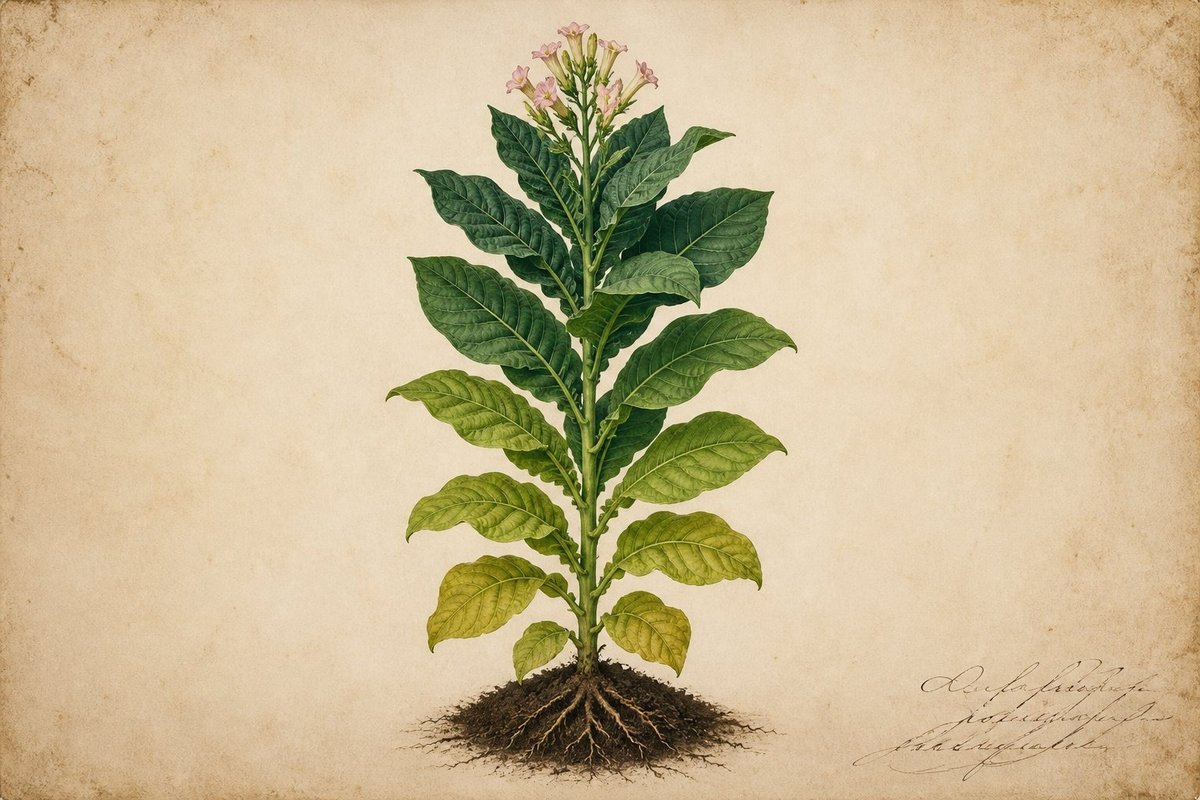
Nicotiana tabacum is a member of the Solanaceae family (which also includes tomatoes, potatoes, and peppers). It originated in the Americas, where indigenous peoples had cultivated and used it for at least 5,000 years before European contact.
The plant is an annual that grows to approximately 2 meters in mature height. It produces large, broad leaves arranged in a spiral pattern up the stalk, with 15-18 leaves per plant in premium production.
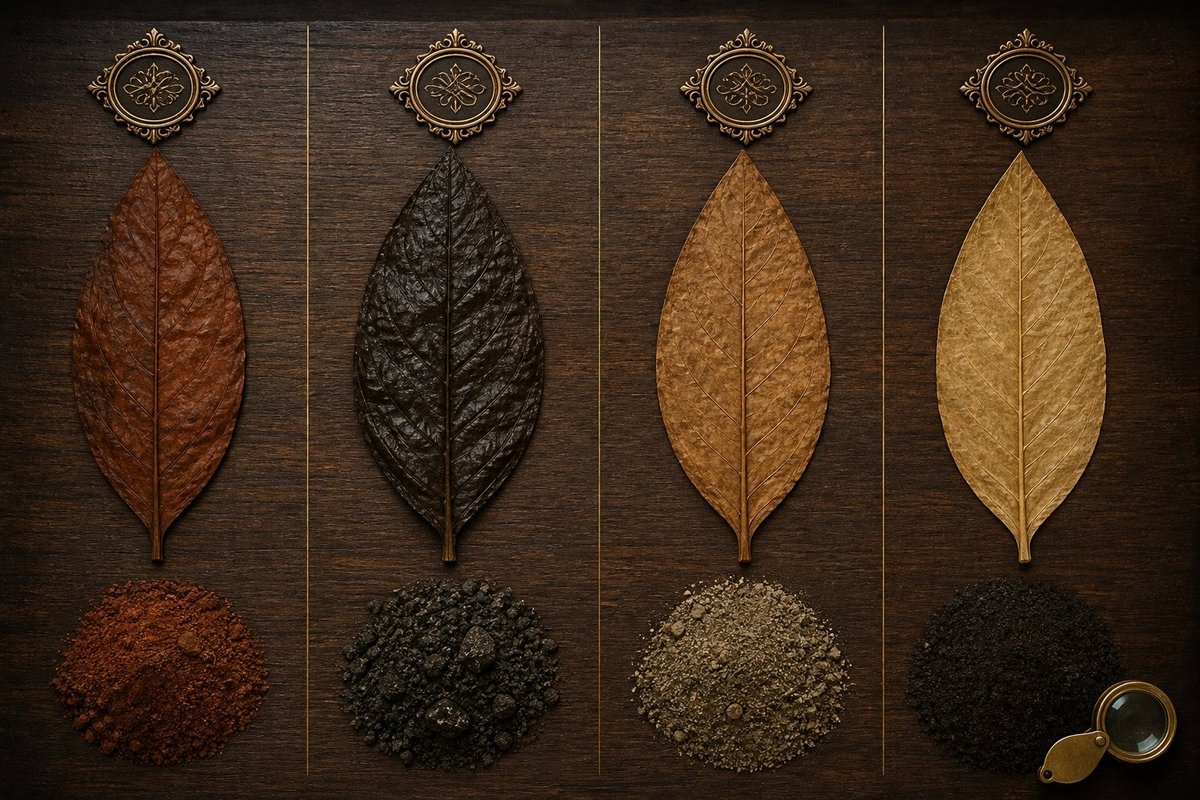
The Major Varietals
Habano 2000: developed in the 1990s as a hardier Cuban varietal. Used widely in modern Cuban production.
Corojo '99: Cuban-Honduran varietal, developed for blue mold resistance. Foundation of much modern Honduran production.
Connecticut Shade: the varietal selected for Connecticut shade production. Lighter wrapper, more elastic leaf.
Connecticut Broadleaf: heavier varietal used for maduro wrappers (Liga Privada No. 9).
Criollo '98: Cuban varietal, also widely grown in Nicaragua. Foundation of much premium Nicaraguan production.
San Vicente: Cuban-tradition Dominican varietal. Used in Davidoff and other premium Dominican production.
Varietal Selection in Premium Production
Each varietal produces measurably different leaf chemistry. Premium producers select varietals based on the role the leaf will play in the blend: Connecticut Shade for elastic premium wrappers, Connecticut Broadleaf for sweet maduro wrappers, Habano 2000 for body-weight Cuban filler, etc.
The varietal selection is one of the most consequential editorial decisions in premium production. A blend that calls for ligero in the filler position will use one varietal (Habano 2000 or Criollo '98), while a blend that calls for binder in the same position will use a different varietal (Connecticut Habano).