The Seedbed
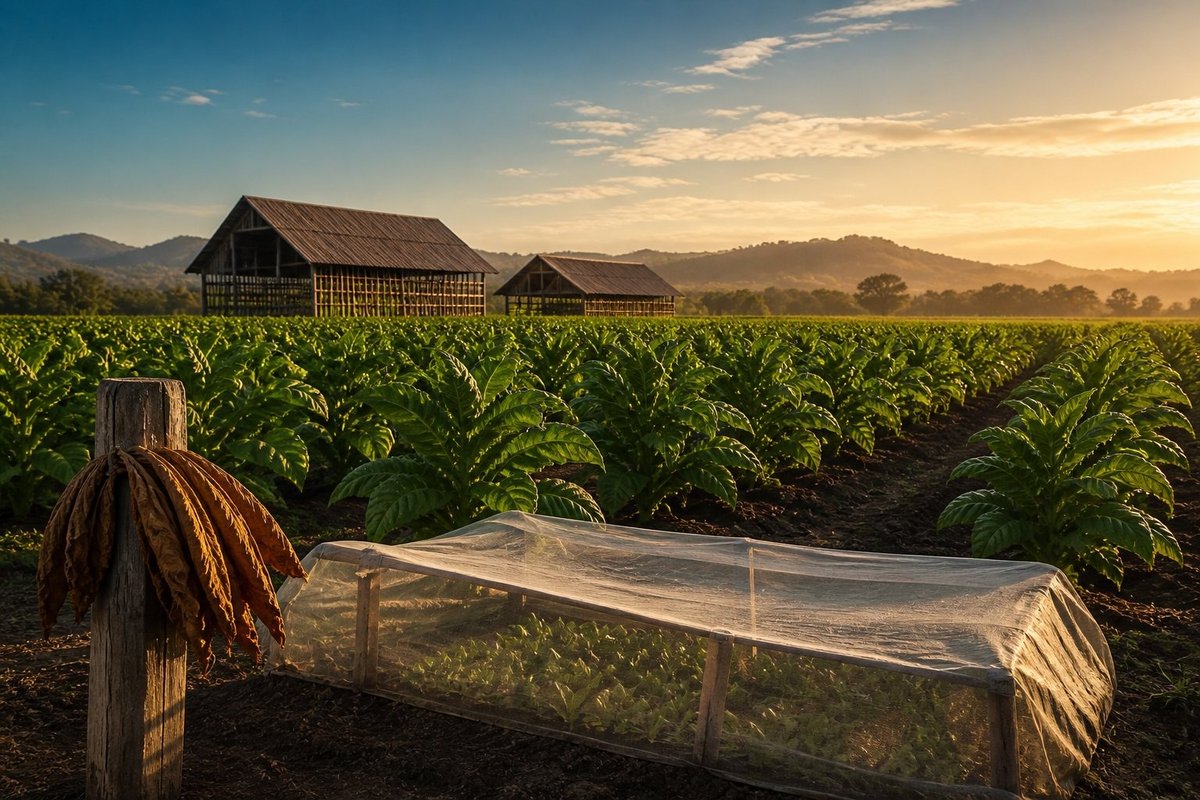
Premium tobacco growing begins in protected seedbeds in late winter. Seeds are sown densely; seedlings are thinned and transplanted to the field at approximately 6-8 inches in height, when they have developed their first true leaves.
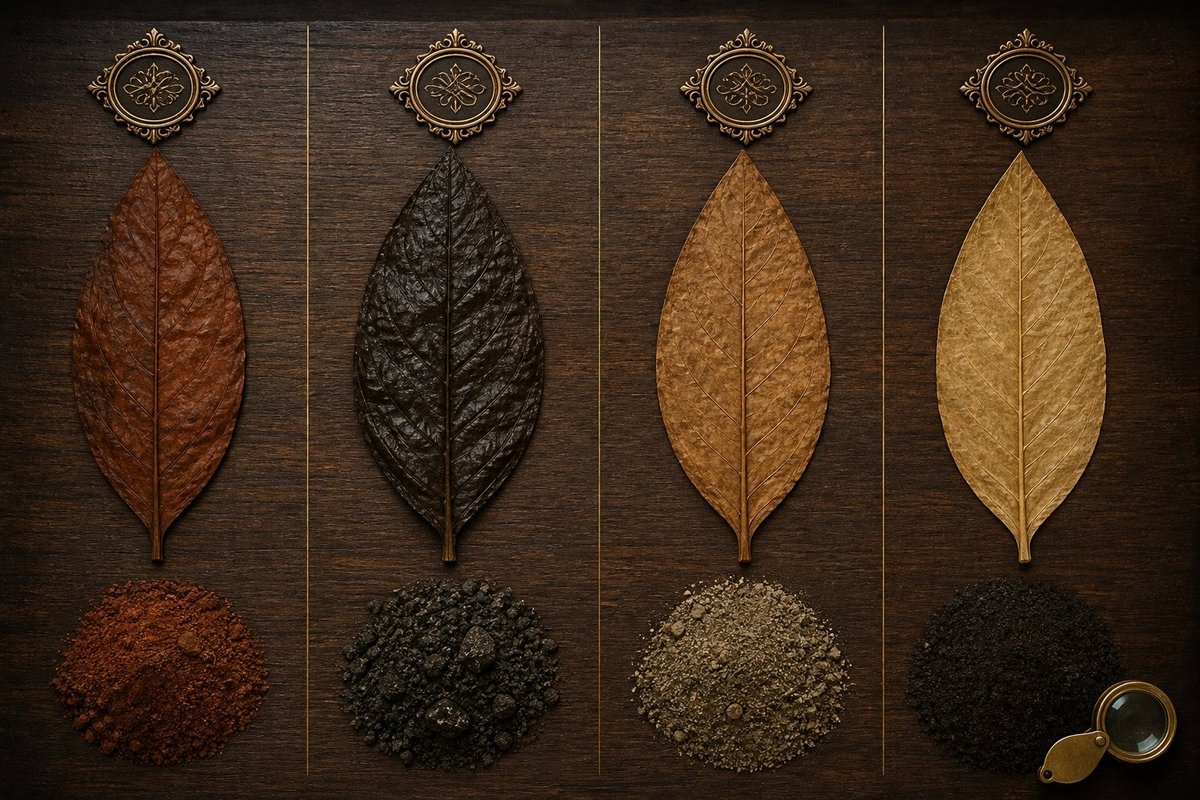
The seed varietal matters: Cuban Habano 2000, Corojo '99, Connecticut Shade, San Vicente, Criollo '98 — each varietal produces measurably different leaf character. Premium producers maintain seed banks of multiple varietals and select for specific blend purposes.
Field Transplantation
The Cuban planting calendar peaks in October-November (the cooler dry season after the late-summer rains). Nicaraguan planting peaks December-January. Dominican planting in November.
Field spacing for premium tobacco: approximately 24 inches between plants, 36-40 inches between rows. Density too high produces spindly plants with poor leaf development; density too low wastes field area.
The Growing Season
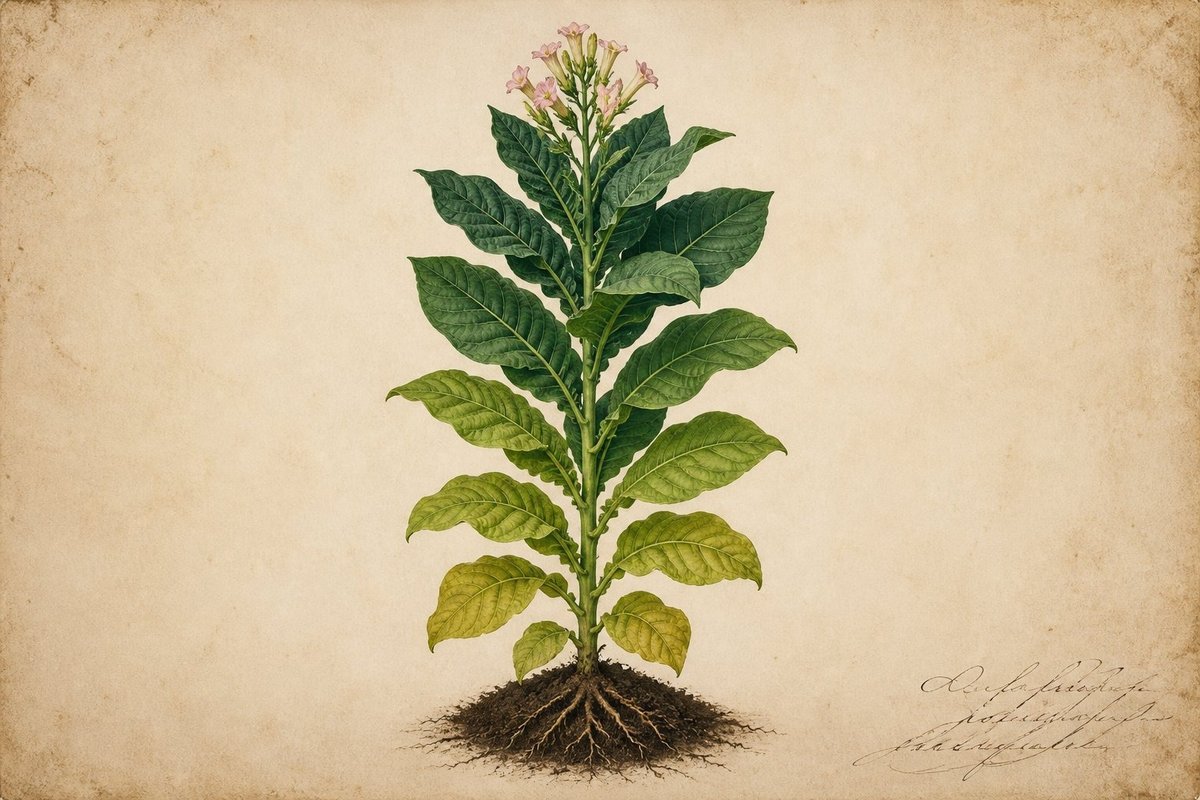
Tobacco plants reach maturity at 90-120 days from transplant. The plant produces 15-18 leaves on the stalk, divided into the canonical priming positions (volado, seco, viso, ligero, with medio tiempo above ligero in some plants).
During growth, the plant is "topped" — the flower bud is removed to direct nutrient flow into leaf development rather than seed production. Suckers (side shoots from leaf axils) are removed periodically. The discipline of topping and suckering directly affects leaf quality.
Sun-Grown vs Shade-Tented
Sun-grown tobacco (volcanic Nicaraguan, Cuban Vuelta Abajo, Honduran Jamastran): produces darker, oilier, more concentrated leaf. Used primarily for filler and for darker wrappers (Habano oscuro, Maduro).
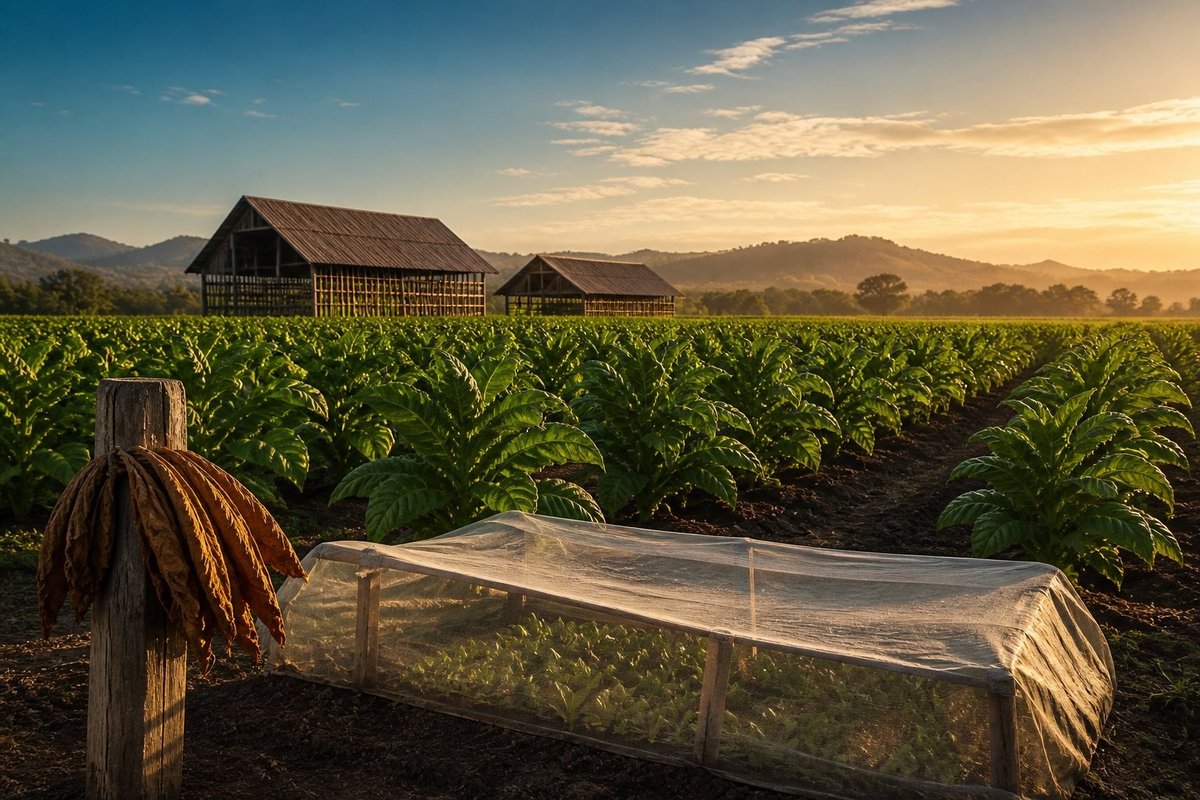
Shade-tented tobacco (Connecticut Shade, sometimes Sumatran): grown under cheesecloth tenting that filters sunlight. Produces lighter, thinner, more elastic leaf. Used primarily for premium wrappers (Connecticut Shade, Cameroon).
The same varietal grown sun vs shade produces measurably different leaf, with the wrapper-grade output of shade-tented production typically higher.