Soil Composition
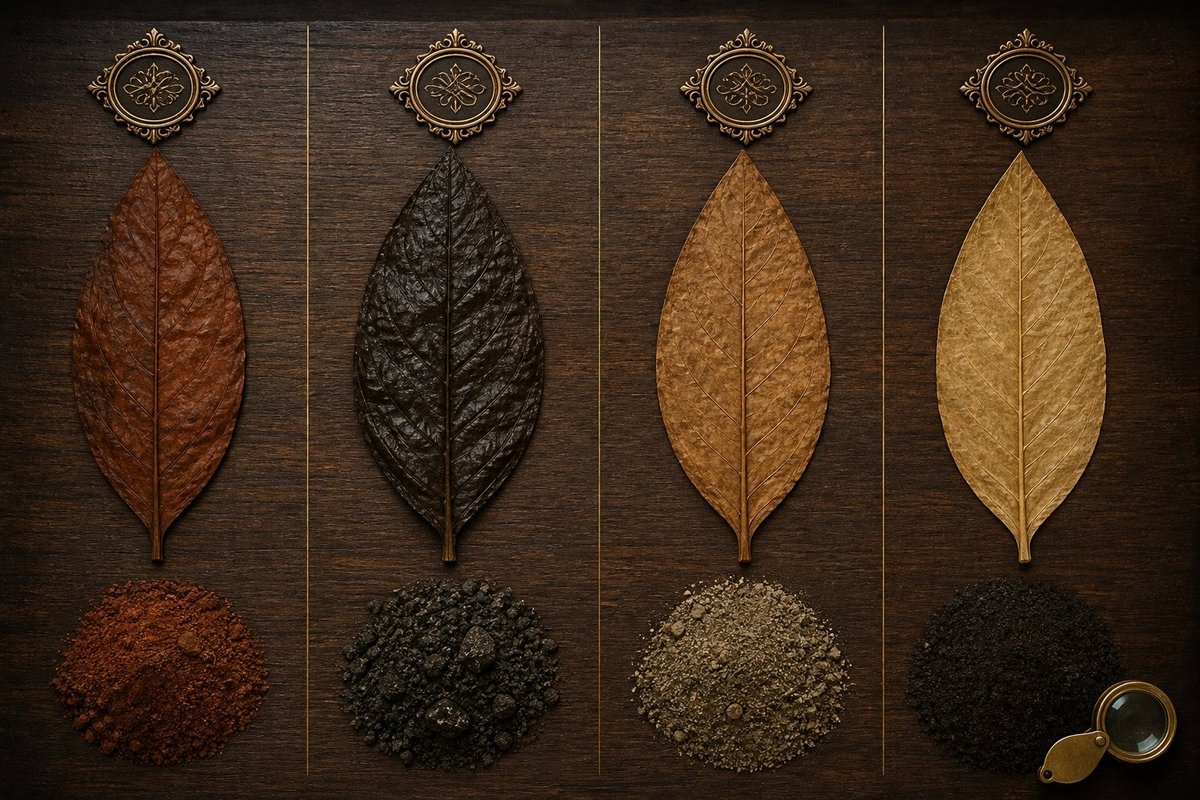
Premium tobacco soils share specific characteristics: well-drained, moderately rich in organic matter, slightly acidic (pH 5.5-6.5), with adequate calcium and potassium for leaf development.
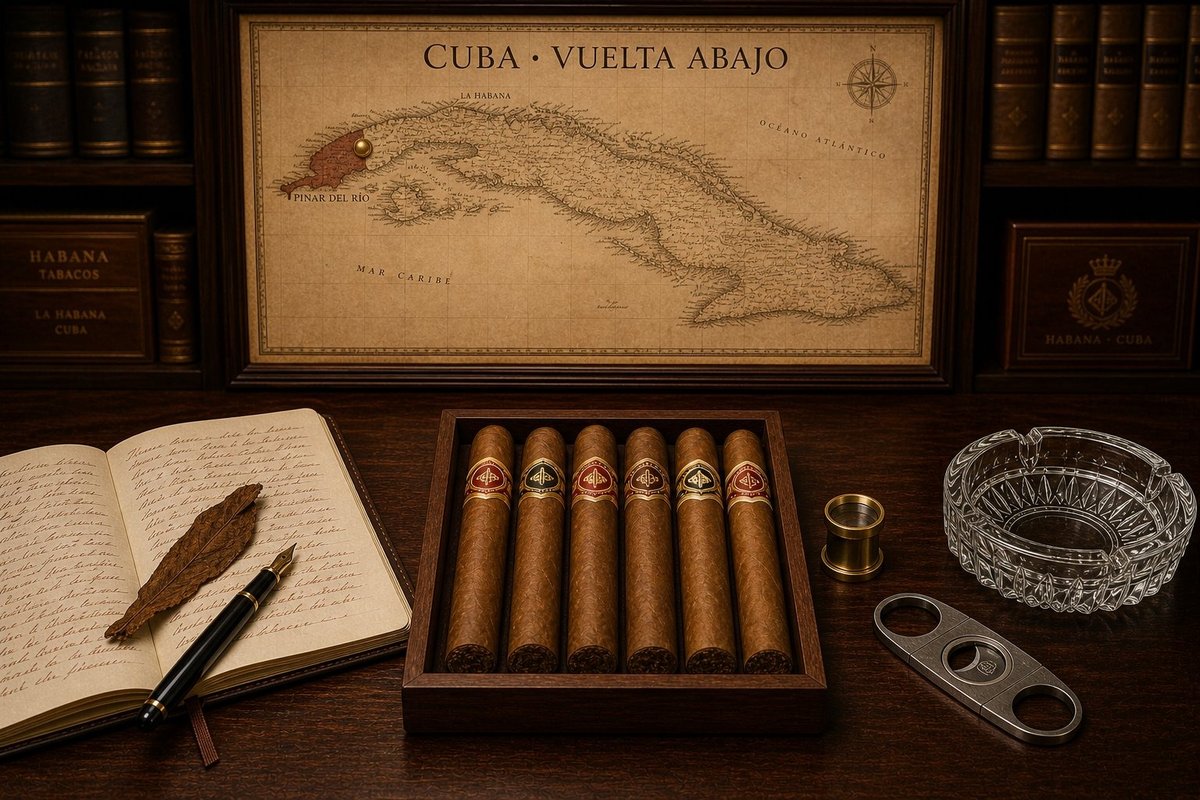
Cuban Vuelta Abajo: alluvial soil with limestone subsoil. The combination produces the distinctive Cuban mineral character that no other region replicates.
Nicaraguan Estelí: volcanic soil from the regional volcanic activity. Rich in trace minerals; produces distinctive cocoa-leather flavor compounds in the leaf.
Connecticut River Valley: glacial alluvial deposits from prehistoric flooding. Specific to this valley; cannot be replicated elsewhere in similar latitudes.
Dominican Cibao Valley: rich, well-drained valley soils with characteristic mineral profile.
Climate Factors
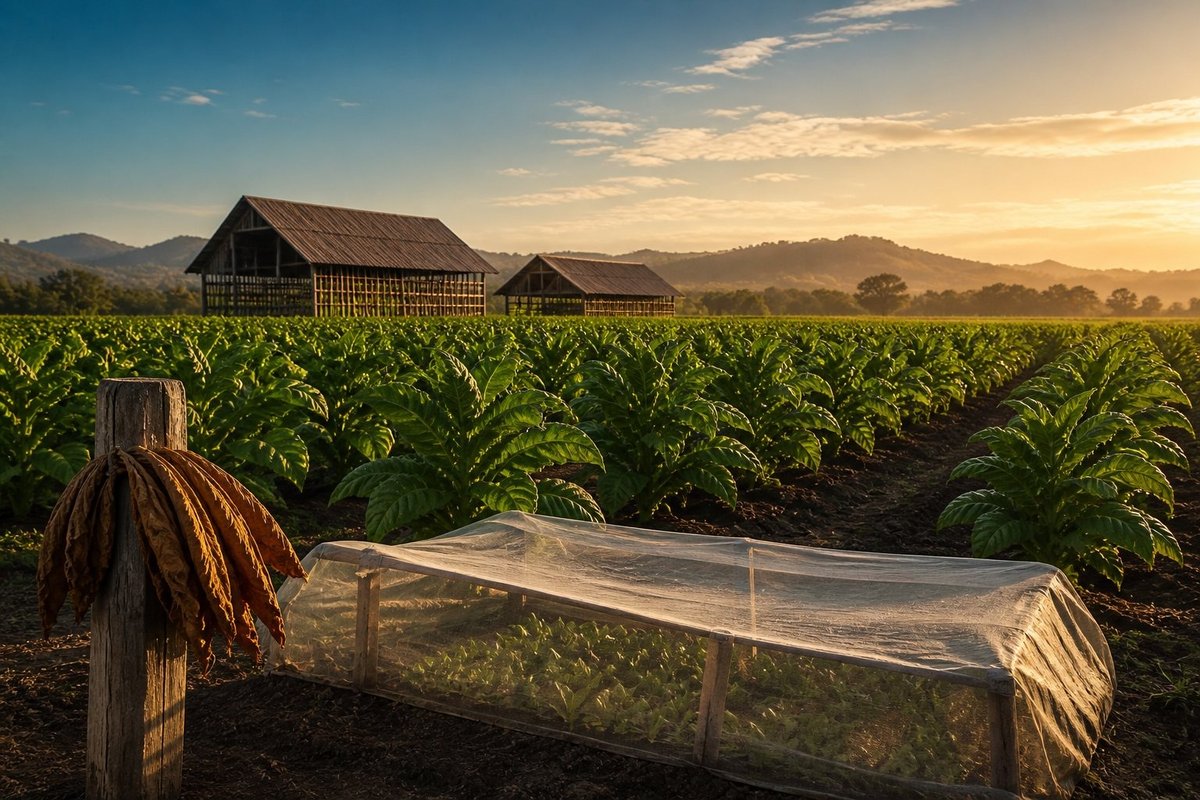
Tobacco requires warm temperatures (above 20°C average), moderate humidity, and a defined dry season for harvest. Excessive rainfall during harvest dilutes leaf chemistry; excessive dryness during growing produces under-developed leaf.
The Cuban Vuelta Abajo has a January-March dry season aligned with the tobacco harvest. The Nicaraguan Estelí harvest uses the early dry season (December-March). Each producing region's climate calendar shapes when planting and harvest occur.
Microclimate Effects
Within a producing region, microclimates produce measurable leaf differences. The San Juan y Martínez subregion of Cuban Vuelta Abajo is distinctive for cocoa-and-leather wrapper character; the San Luis subregion produces different character despite being only kilometers away.
In Nicaragua, the elevations differ: Estelí valleys at approximately 800m, hillsides at 1,000-1,200m, mountain plantations above 1,400m. Each elevation produces measurably different leaf — generally drier, more concentrated leaf at higher elevations.
Why Terroir Cannot Be Replicated
A producer who attempted to "make Cuban-style cigars" in another country has the leaf varietals, the rolling tradition, and even sometimes Cuban-trained torcedores — but lacks the soil and climate. The result is a cigar that resembles Cuban cigars in some ways but is not Cuban.
Premium cigar editorial position: country of origin matters not because of national identity but because the soil and climate of each producing region produce distinctive leaf character that cannot be replicated. Terroir is real.