Priming Position and Plant Chemistry
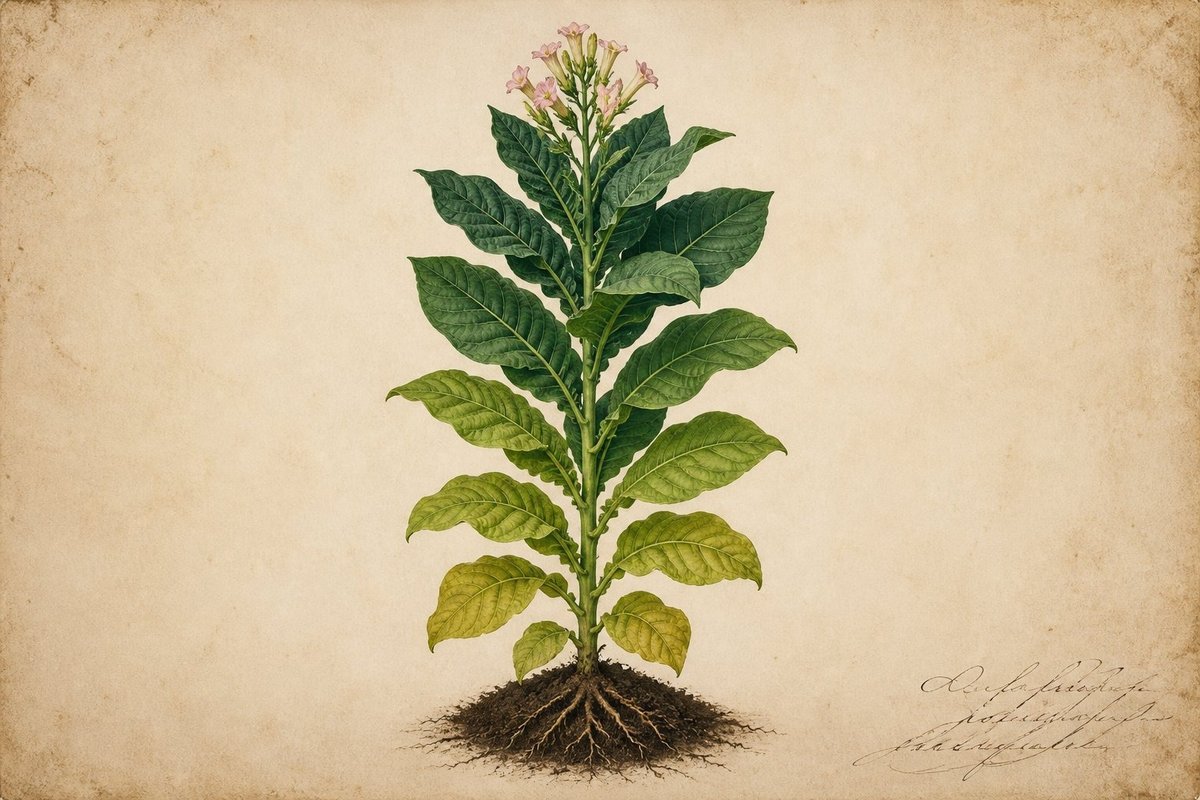
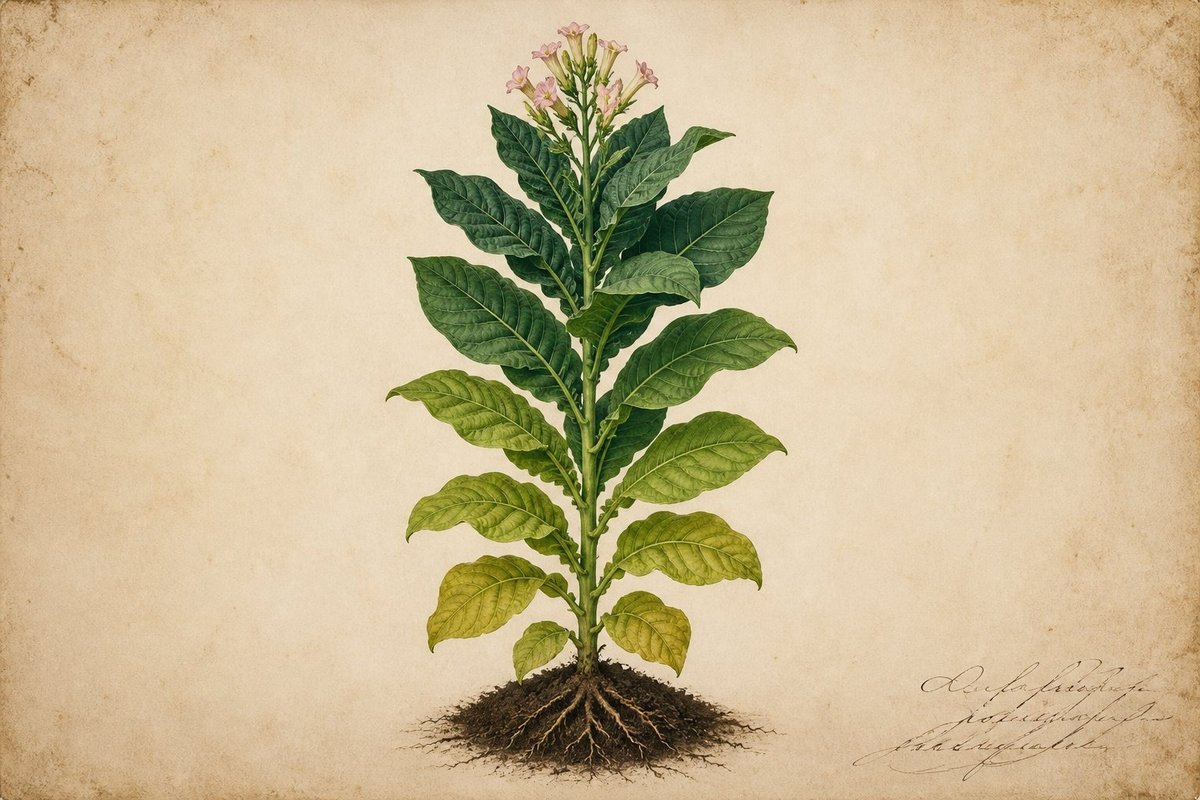
A leaf's position on the tobacco plant determines its sun exposure, nutrient delivery, and consequently its leaf chemistry. Lower leaves shaded by upper leaves develop different chemistry than upper leaves in full sun.
The seven canonical primings (lowest to highest):
Volado
The lowest 3-4 leaves on the plant. Mild, used primarily for combustion. Volado leaf provides the burn rate and ash structure of the cigar.
Volado tobacco is essential to good combustion but contributes minimal flavor. A cigar made entirely from volado leaf would burn well but taste flat.
Seco
The next 3-4 leaves above volado. Lower-middle priming. Balanced character — mild flavor, good combustion, mild body weight contribution.
Seco is the workhorse of most premium blends, often constituting 30-50% of the filler. It provides combustion stability and a baseline mild character.
Viso
The middle 3-4 leaves on the stalk. Flavor-forward. Contributes the most-distinctive flavor compounds in many premium blends.
Viso is where most of the cigar's "wood and earth" flavor architecture originates — cedar, leather, soil, mineral. Premium filler blends typically include 20-30% viso.
Ligero
The upper 3-4 leaves on the plant (just below the topmost). The strongest priming — concentrated nicotine, full body, intense flavor.
Ligero is what makes a cigar full-bodied. Blends targeting "full body" character use 20-30% ligero in the filler; blends targeting "medium" use 10-15%.
Medio Tiempo
The 1-2 highest leaves on a small percentage of plants (perhaps 1 in 20). The rarest priming.
Medio tiempo developed concentration even higher than ligero, with a specific chemical signature that produces medicinal-cocoa-mineral notes. Defines Cohiba Behike. Not available outside Habanos S.A. controlled supply.
Why the Seven-Tier System Matters
A cigar review that says "this cigar has a complex flavor architecture" without identifying which primings drive that complexity is incomplete. The premium aficionado learns to read priming contributions: the cedar-and-leather of viso, the body-weight concentration of ligero, the rare medicinal note of medio tiempo.
The KCS rubric does not score primings directly, but the rubric's Flavor (35), Balance (15), and Intensity (10) dimensions all depend on the priming proportions in the blend. The seven-tier system is the foundation of premium cigar editorial discussion.