The Rolling Process
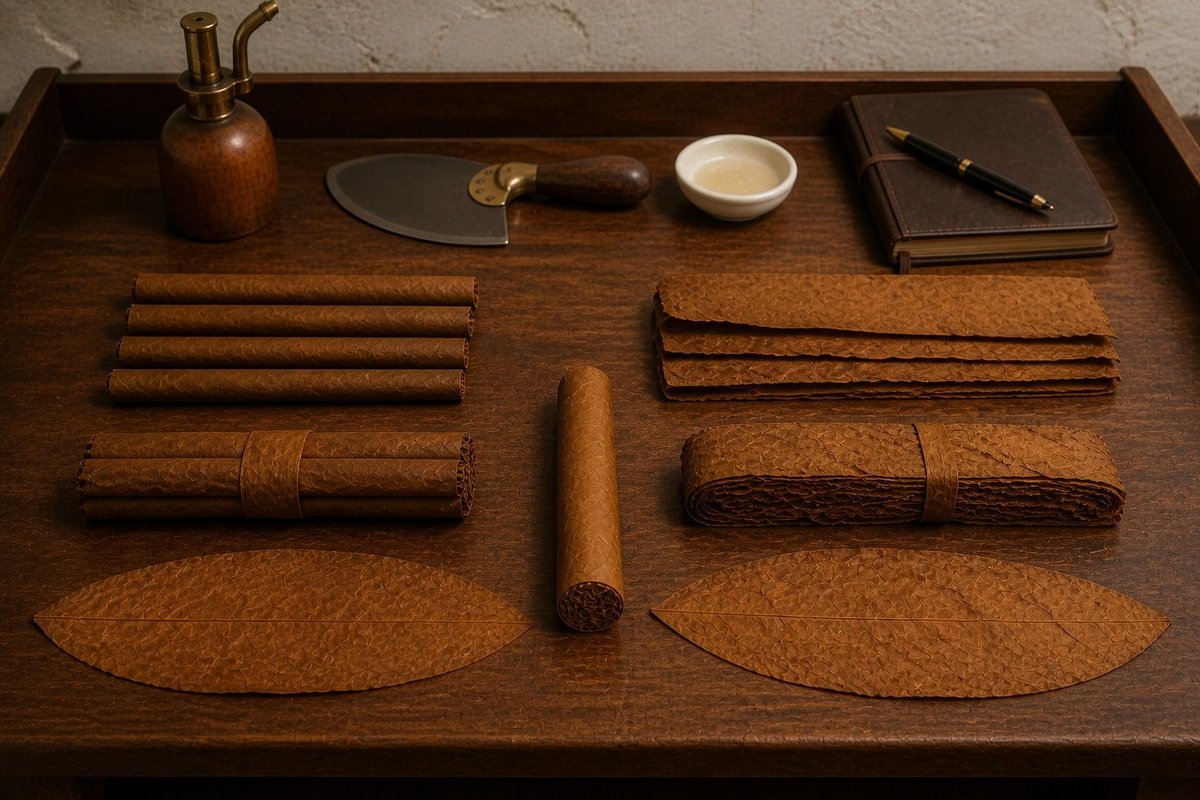
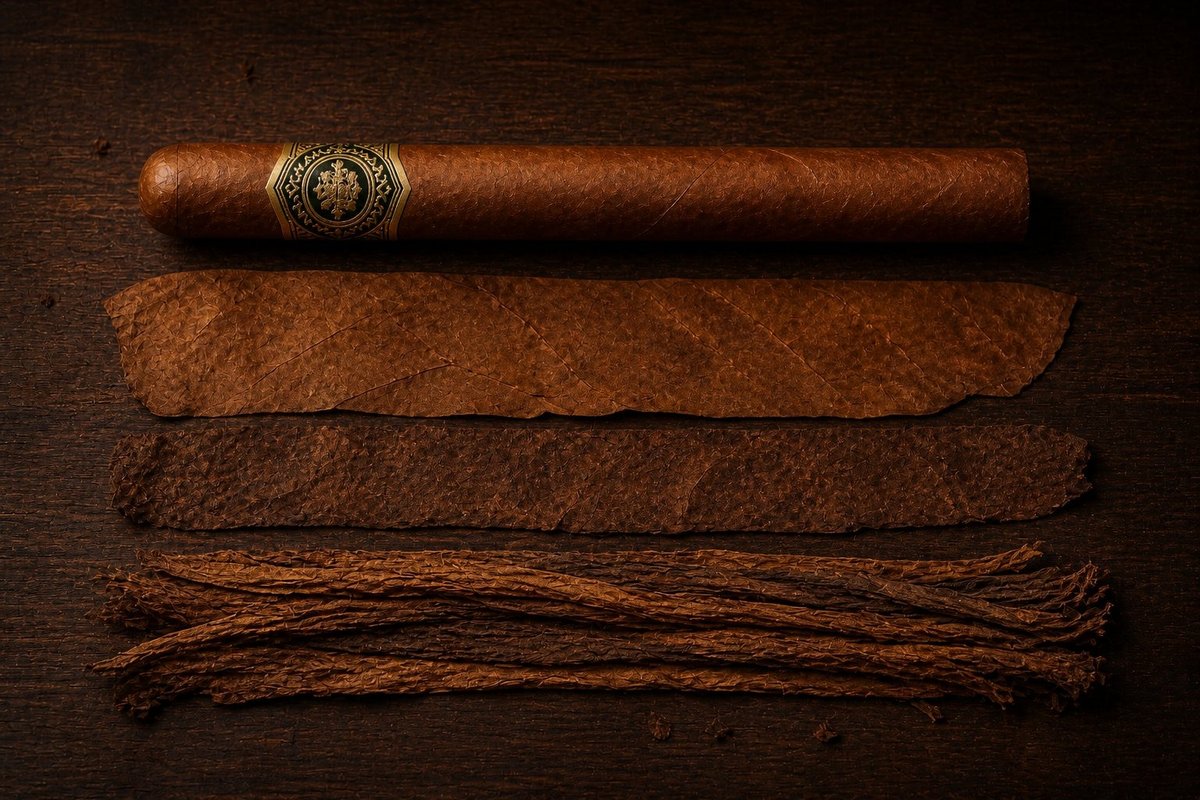
A torcedor begins with a moistened wrapper leaf laid flat on the rolling table. The bunched filler-and-binder ("bonche") is placed on the wrapper at one end and rolled along the wrapper diagonally, with the wrapper applied in a continuous spiral.
The roll requires consistent pressure: too tight produces a plug; too loose produces a fast-burning, harsh cigar. Master torcedores roll by feel, with their hands calibrating pressure across thousands of cigars over years.
The Cap
After the wrapper is applied, the torcedor finishes the head with the cap — the small finishing piece that closes the head and prevents wrapper unraveling. The single, double, or triple cap distinction reflects rolling tradition: Cuban triple caps require three precise wrapper disks; New World double caps require two; machine-made cigars use single caps.
The triple cap is the principal counterfeit-detection signal for Cuban cigars. A torcedor produces a triple cap in 20-30 seconds; the discipline is the marker of trained Cuban-tradition rolling.
Quality Control During Rolling
After each cigar is rolled, the torcedor inspects it for visual defects: wrapper tears, uneven cap application, foot precision. Defective cigars are set aside as factory rejects (often used for short-filler production or sold as factory seconds at substantial discount).
The cigar is then weighed to verify it falls within the target weight range for its vitola. Underweight cigars suggest filler under-bunching (loose draw, fast burn); overweight cigars suggest over-bunching (plug risk). Both conditions warrant correction.
The Catador (Master Inspector)
Beyond the torcedor's self-inspection, premium factories employ catadores — master inspectors who examine each cigar before it passes to packaging. The catador checks for visual defects, weight consistency, draw on a sample, and overall construction quality.
The catador rejects approximately 1-3% of premium production for various defects, with the rejected cigars often pulled from boxes destined for premium retail and sold as factory seconds or used for short-filler production.
Production Rates
A senior Cuban torcedor produces approximately 100-130 premium cigars per day. New World torcedores typically match this rate at premium production tiers; some boutique factories produce slightly fewer per day in exchange for tighter quality discipline.
Mass-production cigar machines produce 5,000-15,000 cigars per day per machine. The economic gap between hand-rolled premium and machine-made commodity is approximately 100x in production cost, which is reflected directly in retail pricing.