What a Blend Contains
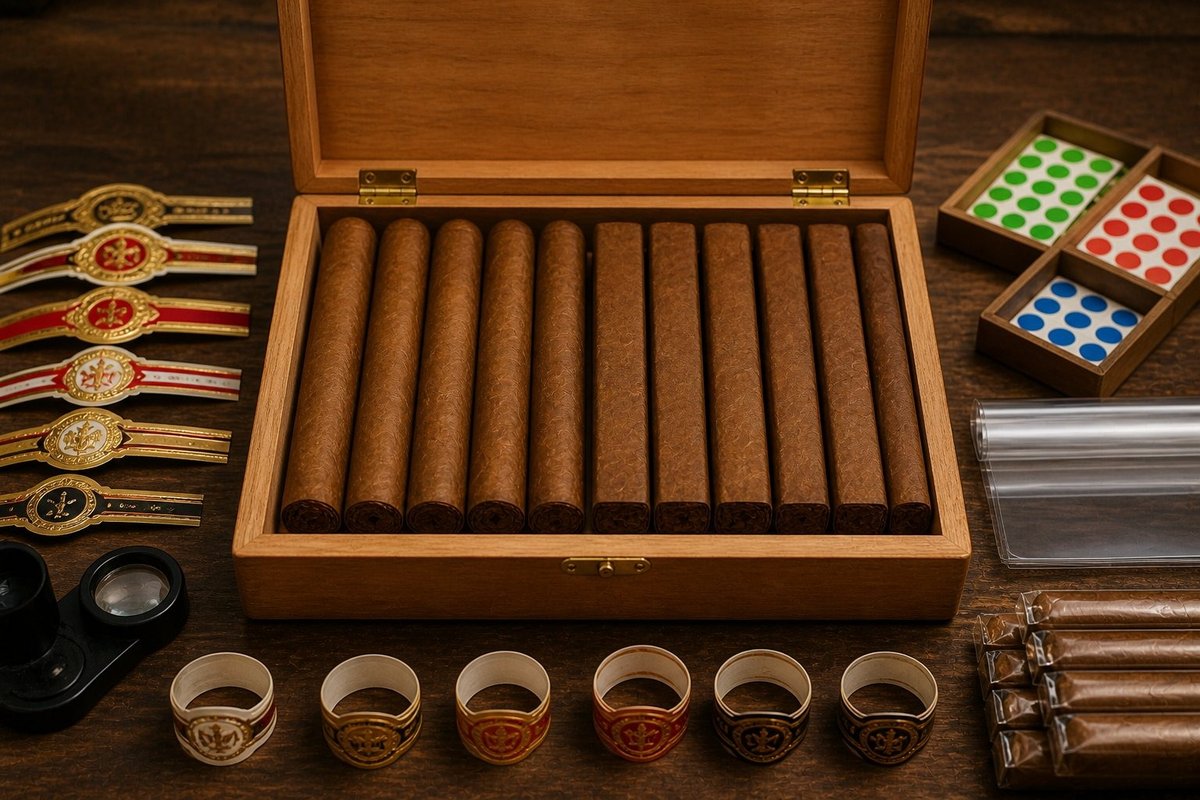
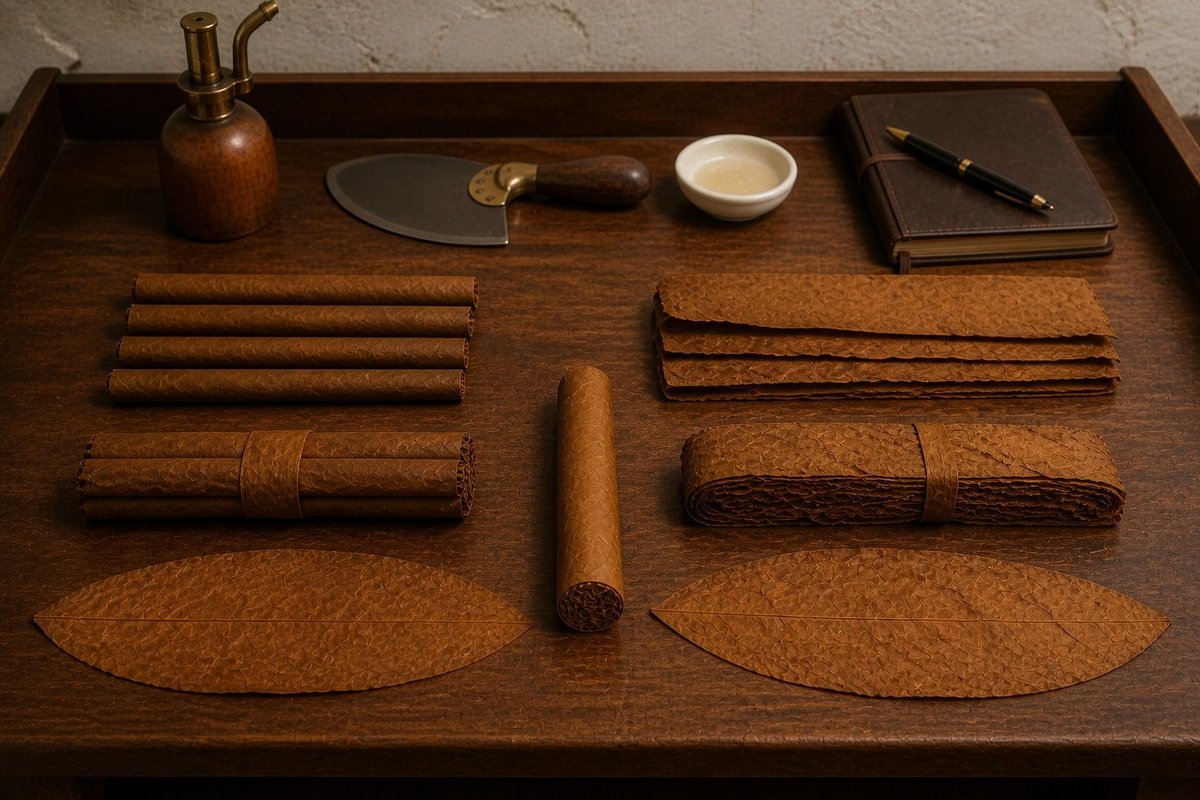
A typical premium cigar blend includes:
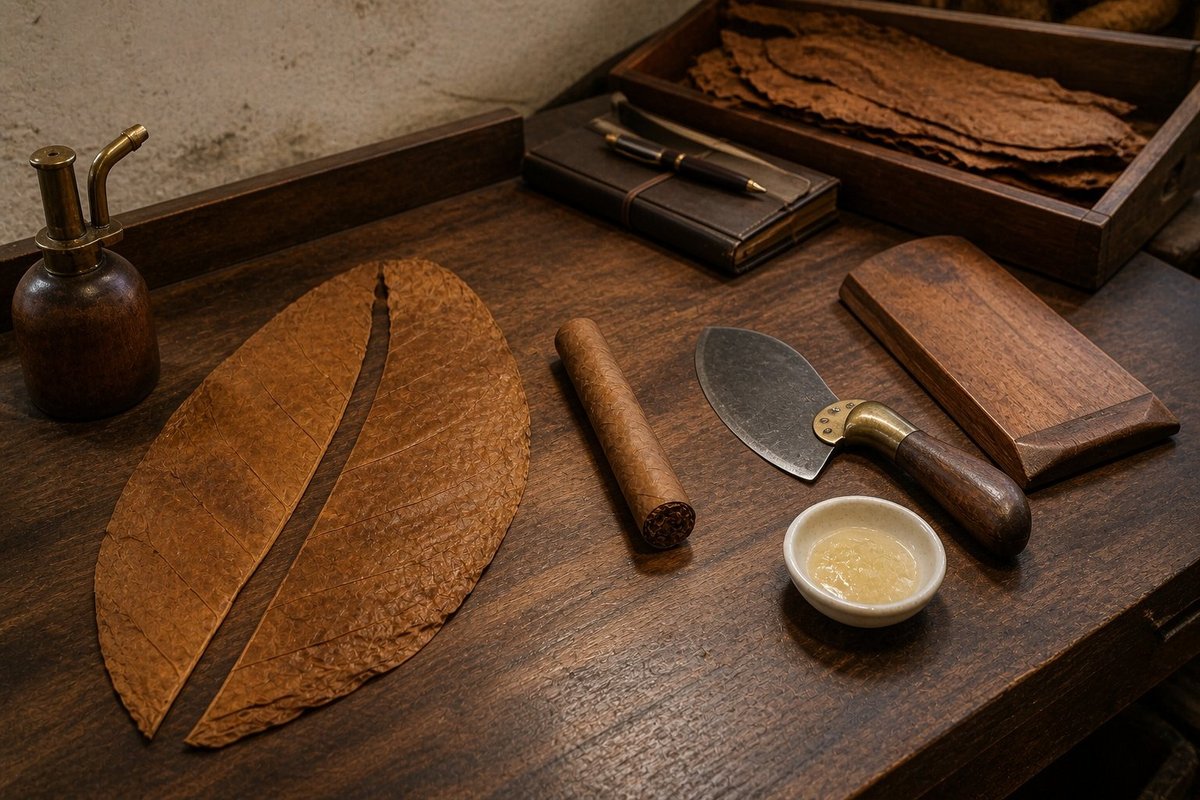
Wrapper: 1 leaf (the outermost, contributing 40-60% of perceived flavor).
Binder: 1-2 leaves (the structural middle layer, contributing combustion behavior and some flavor).
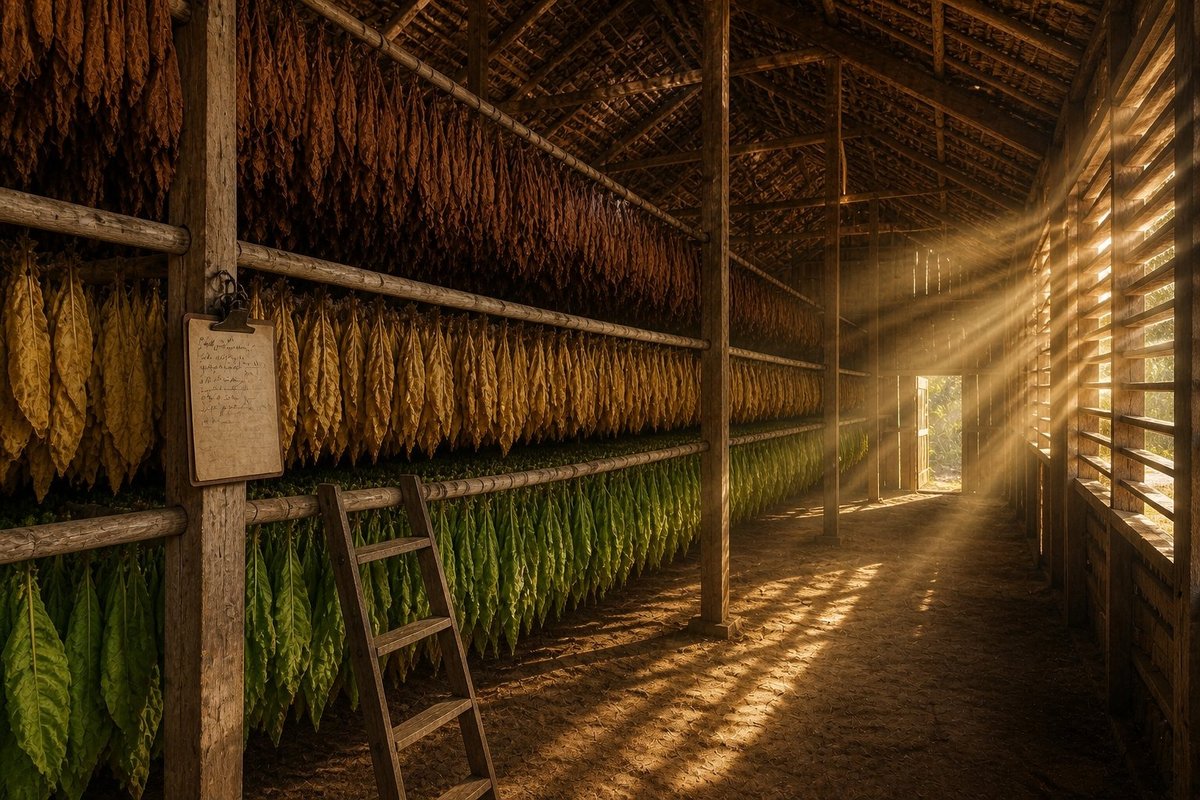
Filler: 3-5 leaves from different priming positions and sometimes different country origins, blended for body weight, evolution, and complexity.
Blend Architecture Principles
Body-weight balance: the blend committee selects filler leaves to achieve a target body weight — light, medium, full, or full-bodied. The proportion of ligero (concentrated upper-priming leaves) determines body weight directly.
Combustion balance: the binder and lower filler leaves provide combustion stability. A blend with too much ligero burns hot and unevenly; the volado and seco proportions counterbalance.
Flavor architecture: the wrapper provides the dominant flavor; the binder and middle filler primings provide depth; the upper primings provide concentration. The blend committee balances these to produce a specific signature.
Evolution: the cigar should transform across thirds. Blends that produce a flat smoking experience (same flavor for 60 minutes) score lower on the KCS Evolution dimension. Successful blends produce flavor transitions through the cigar.
Blend Stability Across Vintages
A blend committee's challenge: maintain the cigar's editorial character across years even as the leaf inventory shifts. Vintage variations in wrapper supply, ligero concentration, and fermentation degree all force minor blend adjustments.
Padrón is famous for blend stability — the family's ten-year aging discipline allows them to maintain consistent blend character across years. Most other producers accept minor vintage variations.
Master Blender Tradition
In Cuba, blend authority traditionally rests with senior factory leadership and the Habanos S.A. blend office. The Cohiba blend has remained substantially stable since 1968, with the exceptions of new-line introductions (Behike 2010 added medio tiempo).
In the New World, master blender is often a named individual: Carlos Fuente Jr. for Arturo Fuente; the Padrón family for Padrón; Pepín García for My Father. The named-blender tradition is editorial transparency about who is making the decisions.