Stage 1: Torcedor Self-Inspection
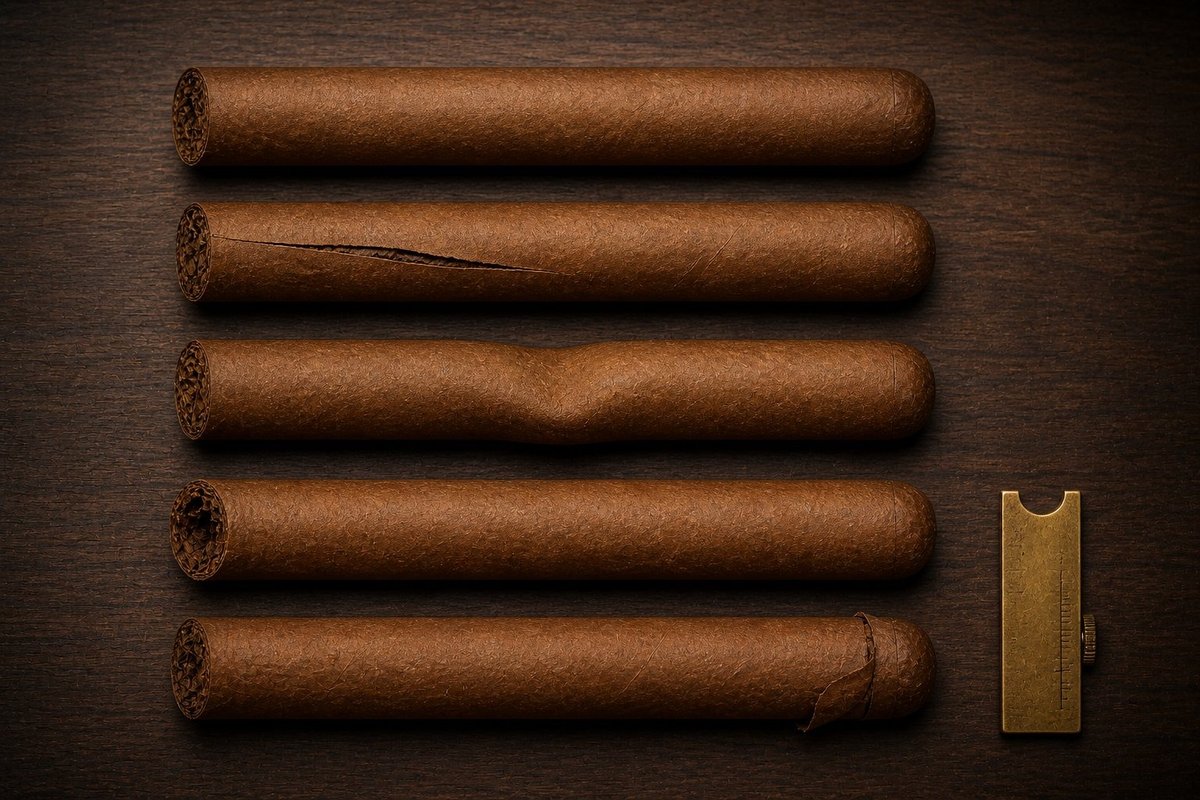
After each cigar is rolled, the torcedor performs immediate visual inspection: wrapper integrity, cap precision, foot cleanness, overall symmetry. Defective cigars are set aside before they enter the production flow.
The torcedor also weighs each cigar against the target weight range for its vitola. Out-of-range cigars are corrected (re-rolled if possible) or rejected.
Stage 2: The Catador Inspection
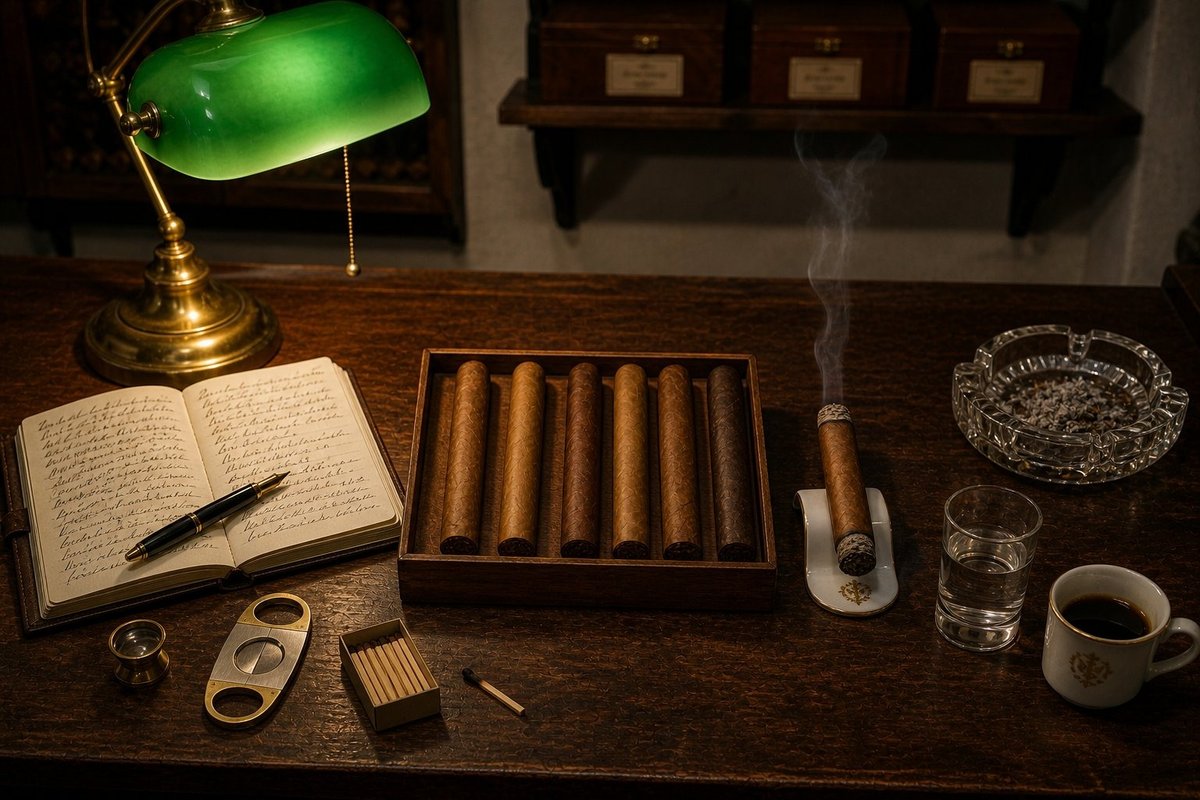
After the torcedor's self-inspection, cigars pass to the catador (master inspector). The catador examines each cigar against published quality criteria: wrapper color uniformity, vein pattern, surface defects, cap construction quality.
The catador also samples cigars from each torcedor's daily output for draw test (a small device pulls air through the cigar at controlled pressure to verify draw resistance is within range). Approximately 1-3% of production is rejected at this stage.
Stage 3: Color Sorting (Escogida)
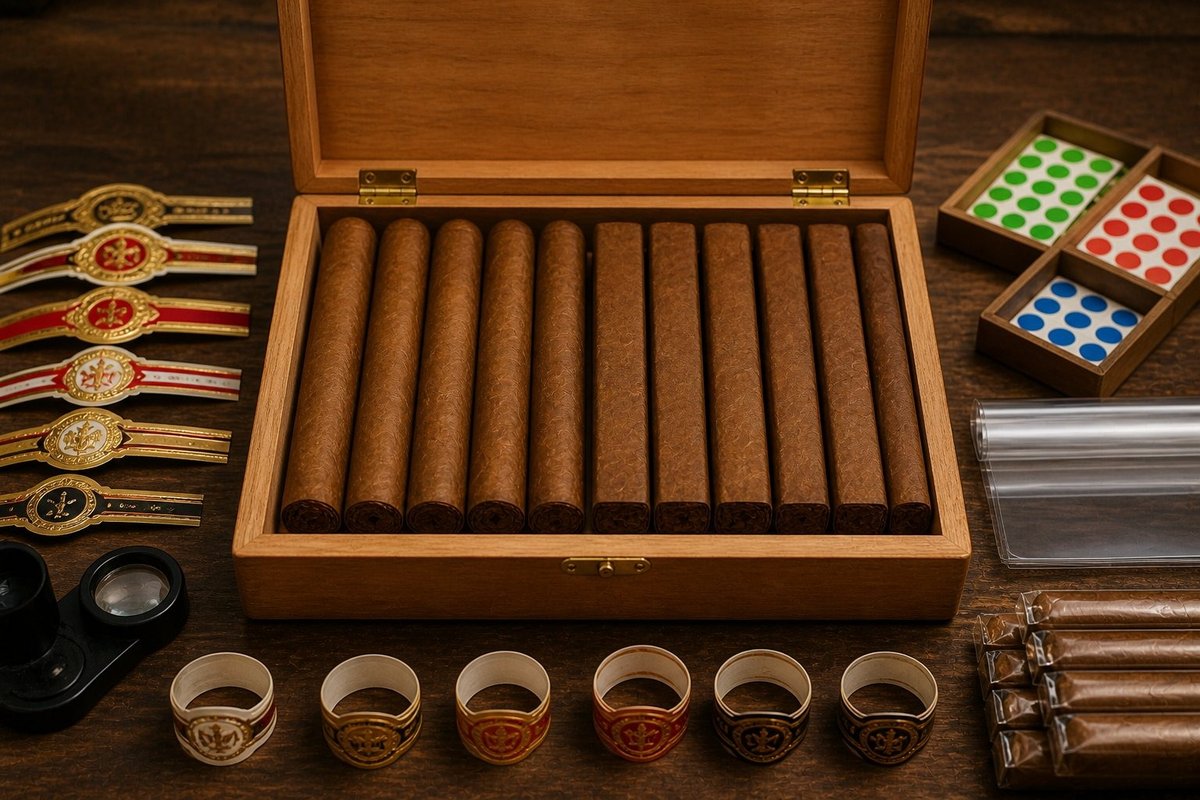
Cigars accepted by the catador are color-sorted in the escogida — typically into 30-50 wrapper-color tiers from light to dark. Each box must contain cigars of substantially uniform color; a box mixing claro and colorado wrappers reflects poor sorting discipline.
The escogida is one of the more labor-intensive quality-control stages. Premium factories employ dedicated sorters with trained eyes for color uniformity.
Stage 4: Aging Before Shipment
Premium cigars rest in factory aging rooms for 30-90 days after rolling, allowing the volatile compounds from rolling and any residual moisture to stabilize. Cigars released to retail too quickly produce harsh, unsettled smoke.
Cuban factories typically rest cigars 60-90 days; some Reserva and Gran Reserva releases rest 1-2 years before shipment. New World factories vary: Padrón rests cigars 1-2 years for premium lines; Drew Estate Liga Privada rests 6-12 months.
Stage 5: Box Assembly and Cellophane
Cigars are assembled into boxes (typically 25 cigars per cabinet box, 10-25 per dress box) with attention to color uniformity within the box. Bands are applied either before or during box assembly. Cellophane wrap is applied to individual cigars in some markets.
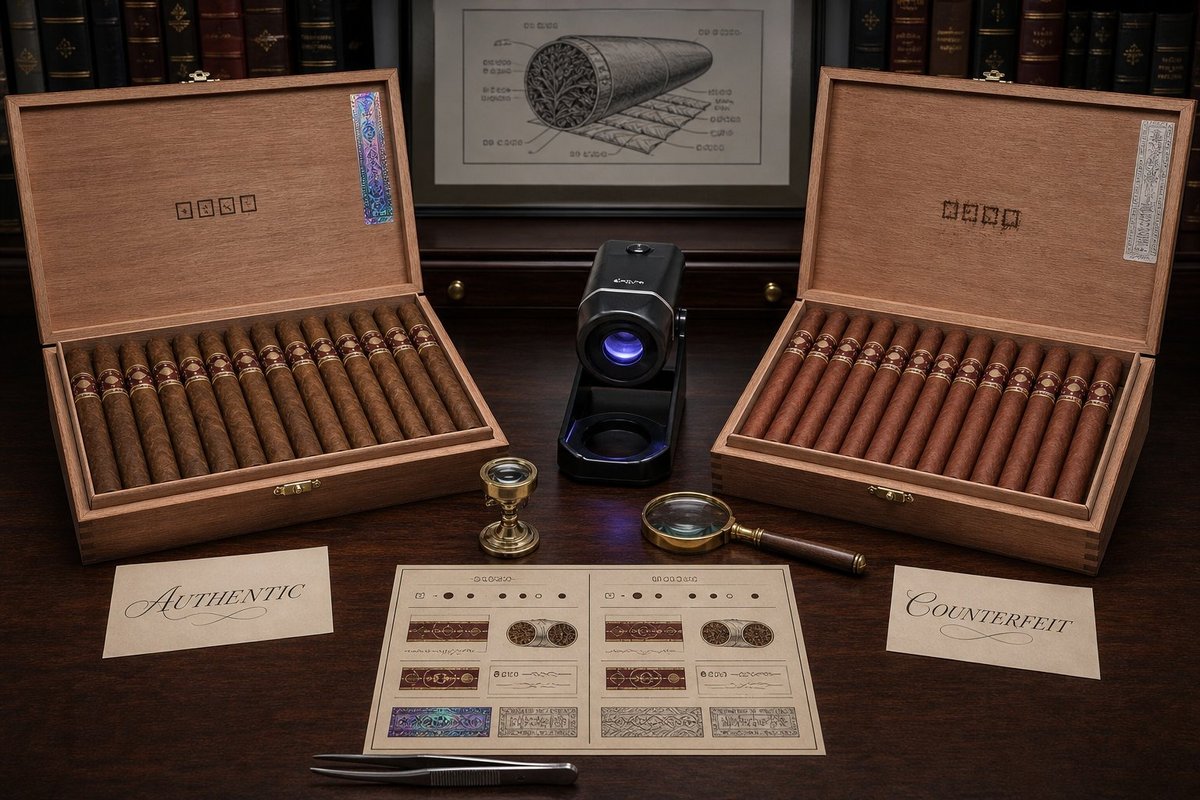
The factory code, production date, and Habanos S.A. seal (for Cuban production) are stamped on the box during assembly. These markings are the principal authentication signals for the buyer.