What Plume Is
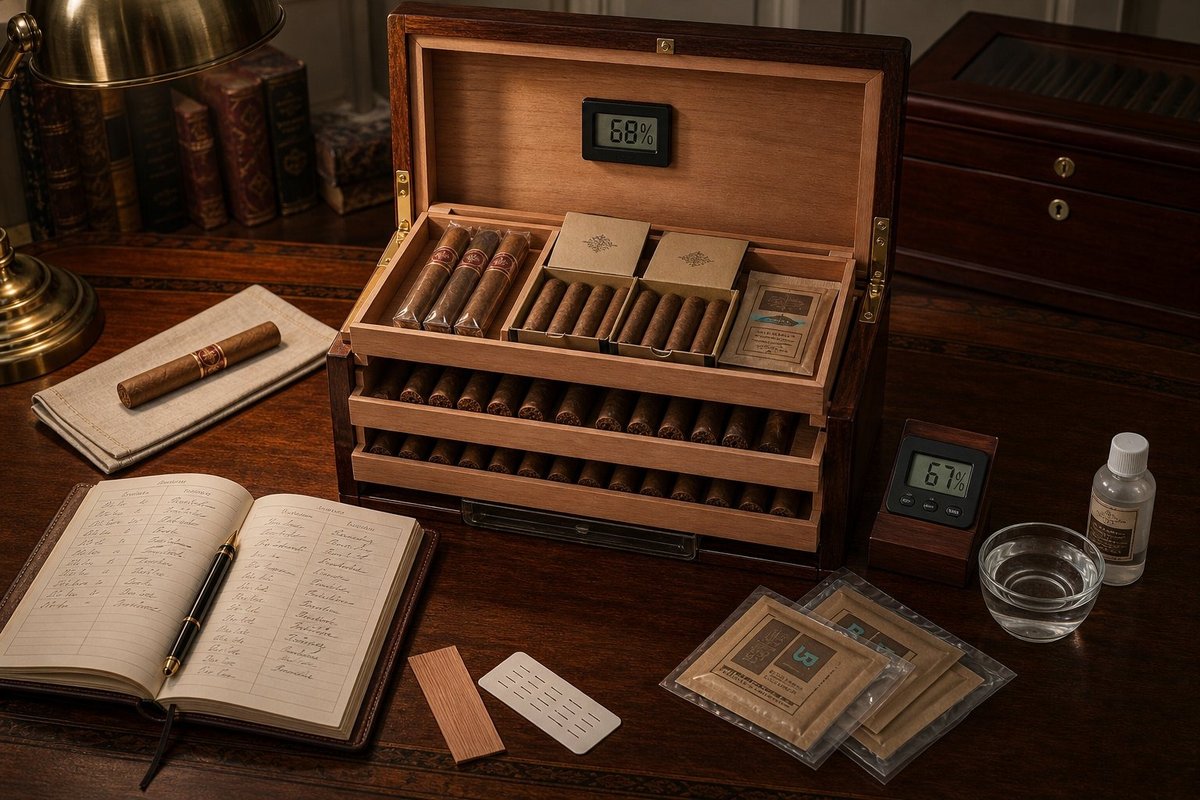
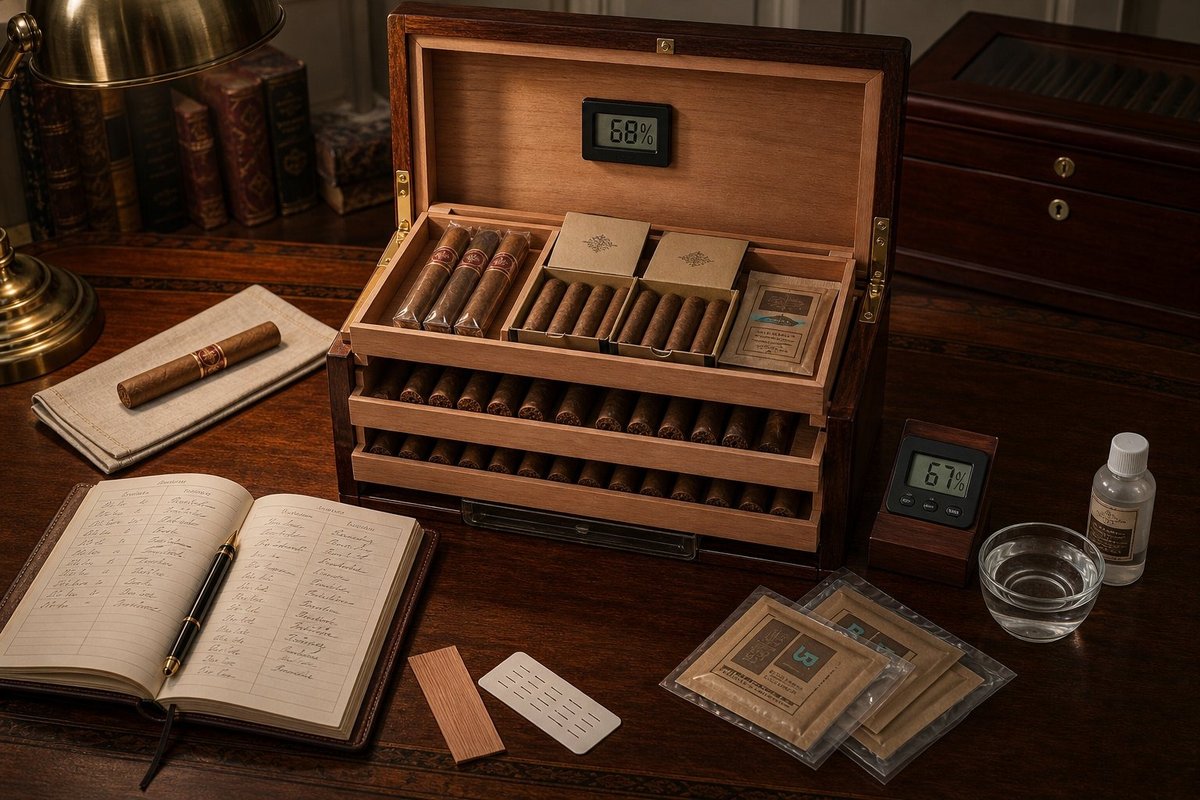
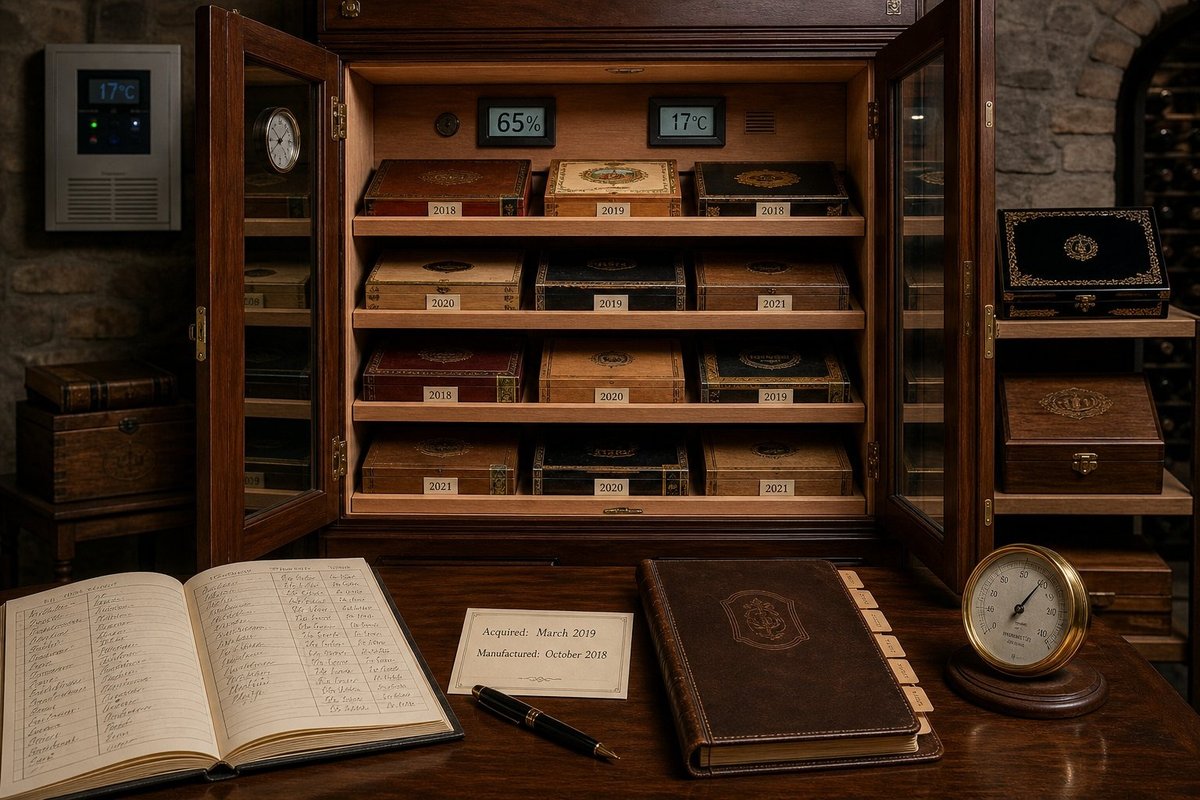
Plume (also called "bloom") is the result of tobacco oils crystallizing on the wrapper surface during slow aging. The crystallization happens at high humidity (68-72%) over months to years and indicates that the cigar is aging properly.
Plume is white or very pale gray, evenly distributed across the wrapper, fine in texture, and brushable with a soft brush. The wrapper underneath is unaffected. Plume is desirable; aged cigars showing plume are typically smoking at peak.
What Mold Is
Mold is a fungal colony — a living organism feeding on the wrapper. It appears at humidity above 75% (sometimes from temporary humidor over-humidification, sometimes from leaks).
Mold has color variation: white spots, gray patches, sometimes blue-green discoloration. The texture is fuzzy or hairy. The wrapper underneath the mold is often discolored or damaged. Wiping mold reveals damaged wrapper.
The Distinguishing Tests
Brush test: plume brushes off cleanly with a soft brush, leaving the wrapper intact. Mold leaves residue and often damages the wrapper underneath.
Color test: plume is white-to-pale-gray and uniform. Mold has variation — patches, spots, sometimes greenish tints.
Distribution test: plume covers the wrapper evenly. Mold typically appears in localized patches, often at the foot or in cellophane creases.
Smell test: plume cigars smell like aged tobacco. Mold cigars smell musty or sour.
What to Do
Plume: brush gently with a soft brush. The cigar is fine to smoke and is likely smoking better than it would have without the aging.
Mold (small, isolated): the affected cigar should be removed immediately and discarded. Inspect surrounding cigars in the humidor; mold spreads.
Mold (multiple cigars or significant): the entire humidor needs assessment. Remove all cigars, discard affected cigars, clean the humidor interior with a 50/50 isopropyl alcohol-water solution, dry thoroughly, re-season, and check humidification levels (the underlying cause is typically over-humidification).