Plant and Field Terms
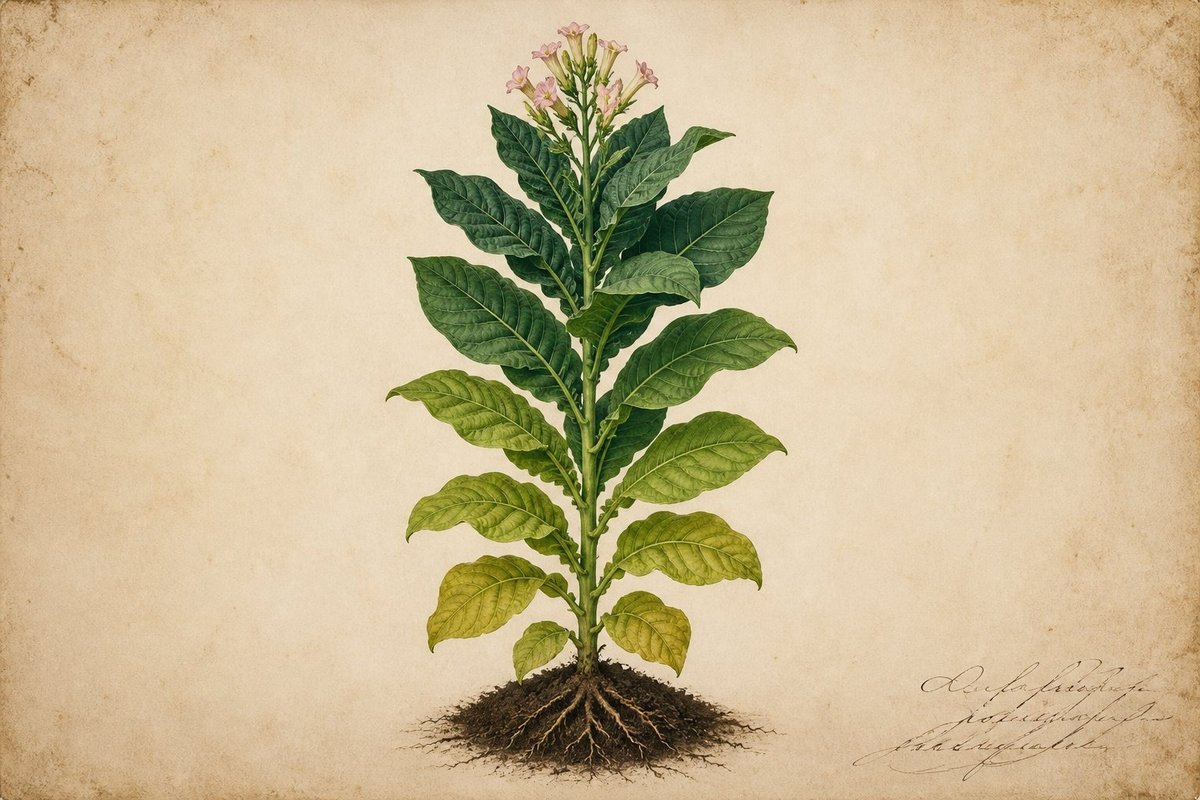
Tabaco: tobacco.
Vega: a tobacco field or plantation.
Vuelta Abajo: the premium tobacco-growing region of western Cuba (Pinar del Río province).
Cosecha: harvest, vintage year.
Hoja: leaf.
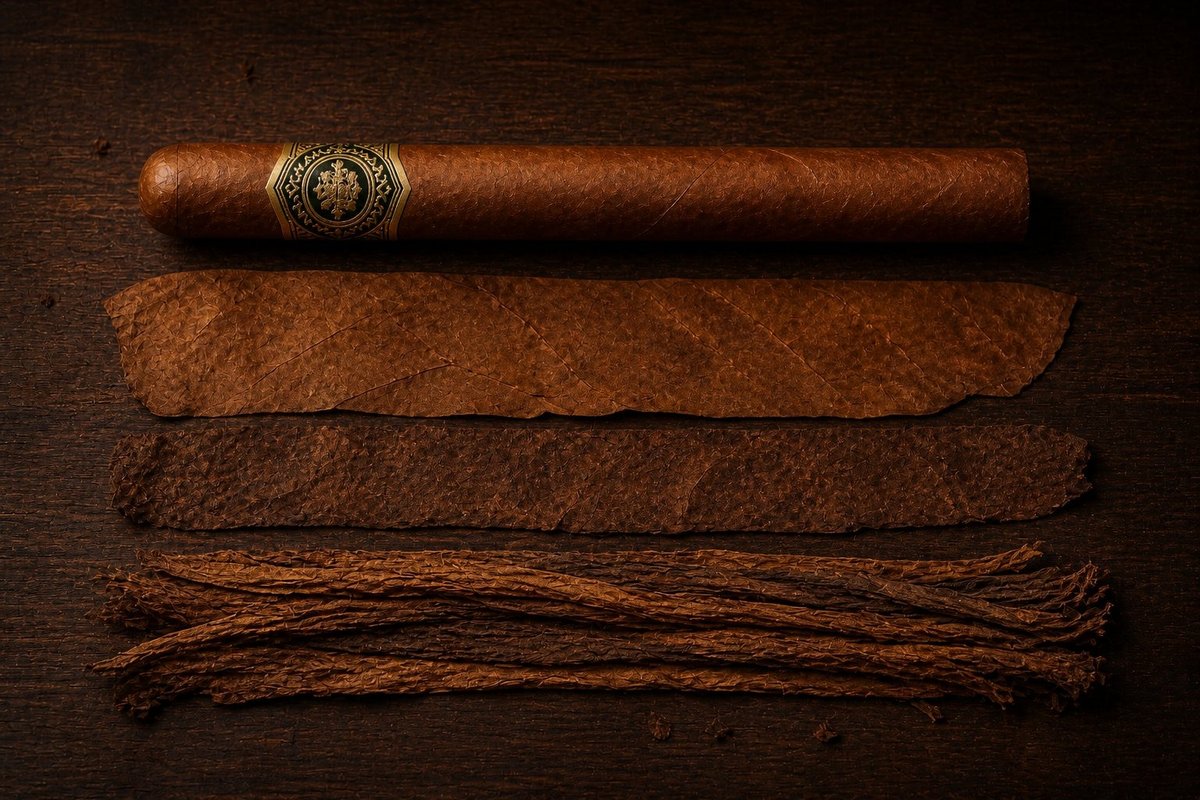
Capa: wrapper. The literal translation is "cape."
Capote: binder. Sometimes "tripa de capote."
Tripa: filler. The literal translation is "intestines" — a reference to the bunched filler resembling animal intestines.
Priming Terms
Volado: lowest leaves on the plant. Mild, used for combustion.
Seco: lower-middle priming. Balanced, dry character.
Viso: middle priming. Flavor-forward.
Ligero: upper priming. Concentrated, full-bodied.
Medio Tiempo: rare upper priming, found above ligero. Defines Cohiba Behike.
Corojo: a tobacco varietal (also a priming designation in some traditions).
Production Terms
Torcedor: the cigar roller. The torcedor is the master craftsman of the factory.
Catador: the quality inspector. Senior torcedor who evaluates rolled cigars before they pass to packaging.
Galera: the rolling room.
Pilón: the fermentation pile. Tobacco is stacked in pilones during fermentation.
Mojado: humidified. Wrapper leaves are moistened before rolling.
Bonche: the bunched filler-binder before wrapper application.
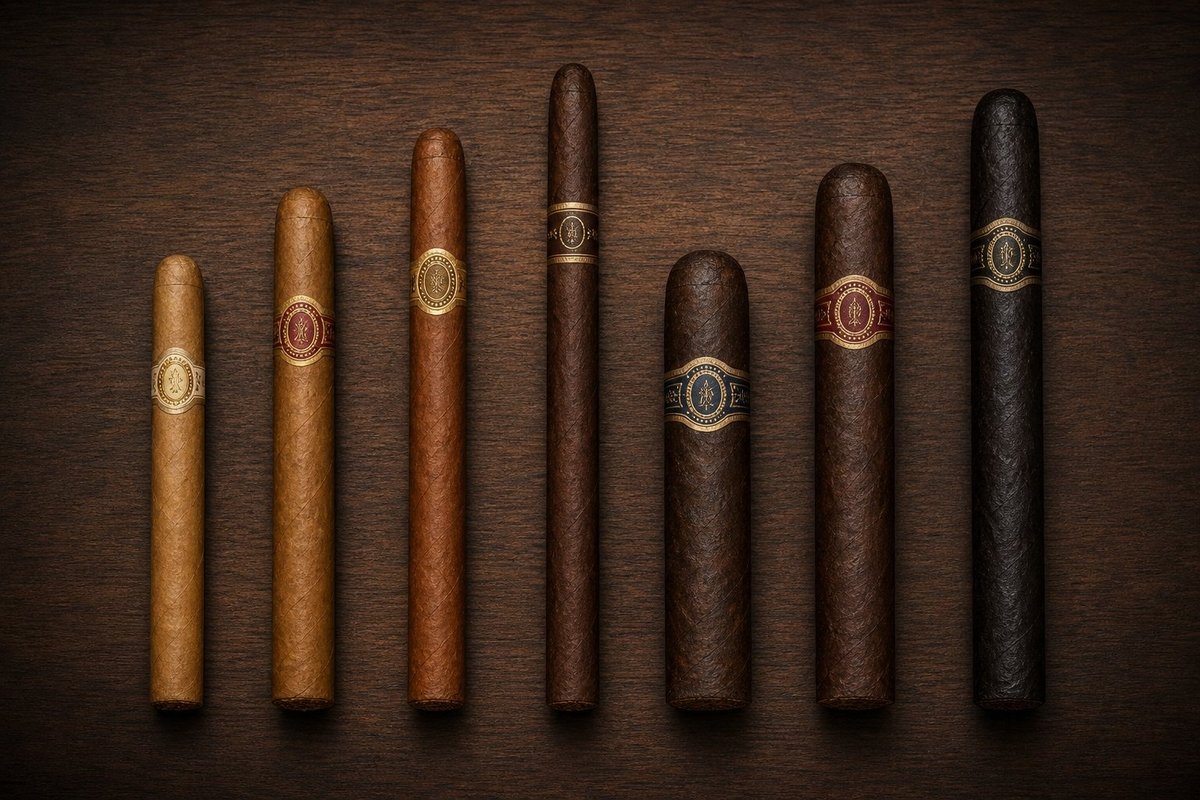
Vitola: the cigar format (length × ring gauge).
Cigar Types
Habano: Cuban cigar. The legal designation for cigars produced in Cuba and labeled accordingly.
Habanos S.A.: the joint venture (originally Cuban government and Altadis, now Imperial Tobacco Group) that distributes Cuban cigars internationally.
Parejo: straight-sided cigar (the standard cylindrical format).
Figurado: shaped cigar (perfecto, torpedo, pyramid, belicoso, etc.).
Reserva / Gran Reserva: aged-leaf release (typically 5-7 year for Reserva, 10+ year for Gran Reserva).
Edición Limitada (E.L.): limited edition release. Cuban EL releases use minimum 2-year-aged tobacco.