Why Cuban Counterfeits Are Different
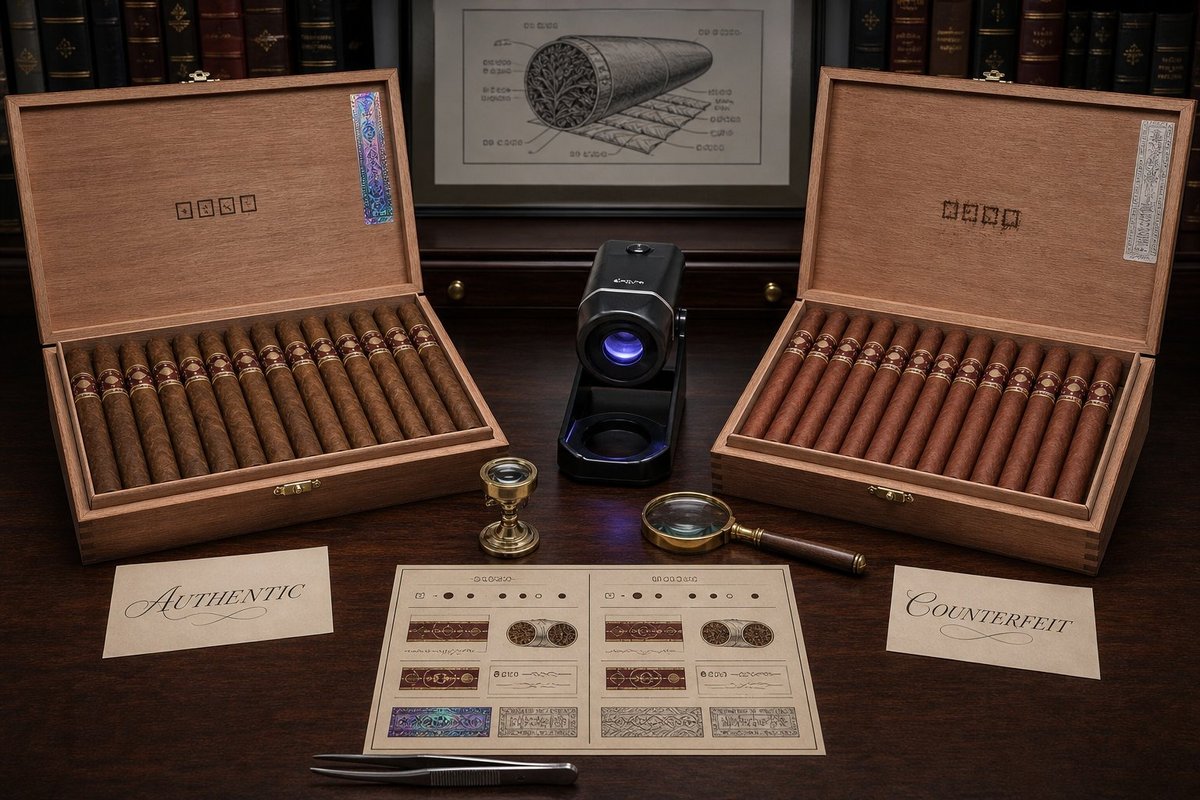
Counterfeit Cuban cigars are not generally produced in Cuba. They originate primarily in Dominican Republic, Honduras, and Ecuador, using non-Cuban tobacco rolled in non-Habanos factories and packaged with reproduction Cuban bands and boxes. The cigar inside is sometimes a competently-made New World premium; sometimes a low-quality short-filler product. The label is the lie.
Three Counterfeit Tiers
Tier 1 — Mass-market street counterfeits: Sold in tourist markets in Cuba, Mexico, and Caribbean destinations. Crude reproductions, often loose-leaf cigars in unsealed boxes, priced suspiciously low ($5-10 per stick for "Cohiba"). Easy to identify; easy to avoid.
Tier 2 — Mid-tier online counterfeits: Sold through online resellers with photographs of legitimate-looking boxes. Bands are printed competently; cigars inside are decent New World production. Targeted at buyers seeking discount Cuban cigars. Difficult to identify without smoking.
Tier 3 — Sophisticated counterfeits: Sold through gray-market dealers using authentic-looking holographic seals, accurate factory codes, and well-aged tobacco. Often produced by former Habanos employees or affiliated smugglers. Sometimes the cigar inside is genuine Cuban tobacco that bypassed official distribution. Very difficult to detect.
Detection by Specific Marca
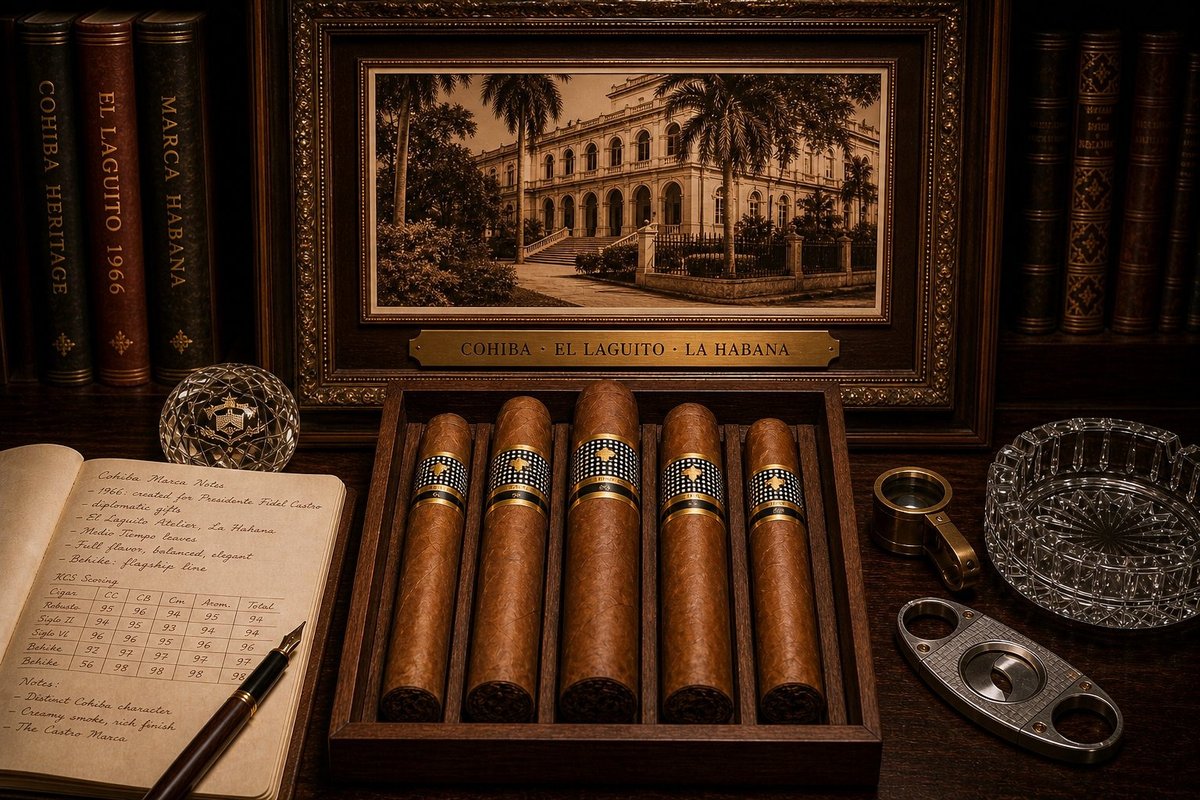
Cohiba Behike: Counterfeits cannot replicate medio tiempo. The medicinal-cocoa-mineral signature within the first third is the proof.
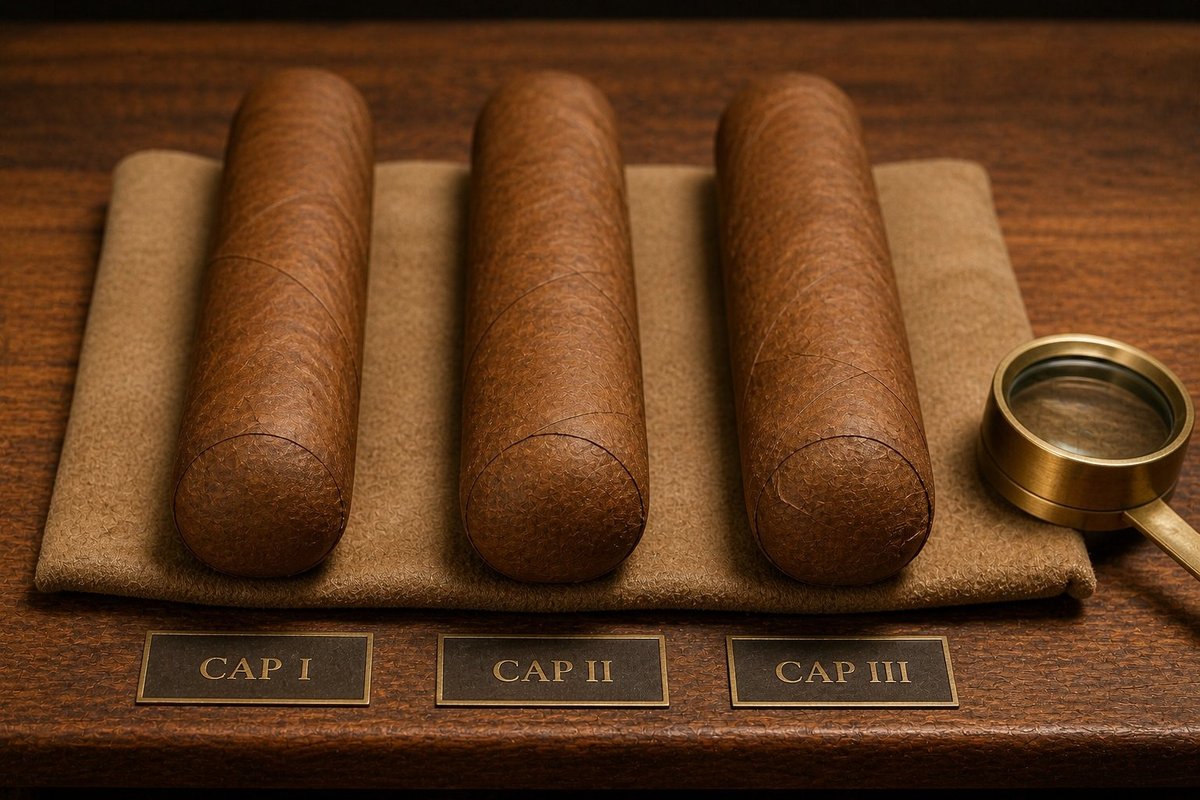
Cohiba Robusto and Siglo VI: The triple cap and the band ink quality are the principal visual tests. The flavor is still distinctive (cedar-leather Cuban classical), but counterfeit flavor approximation is closer at this tier.
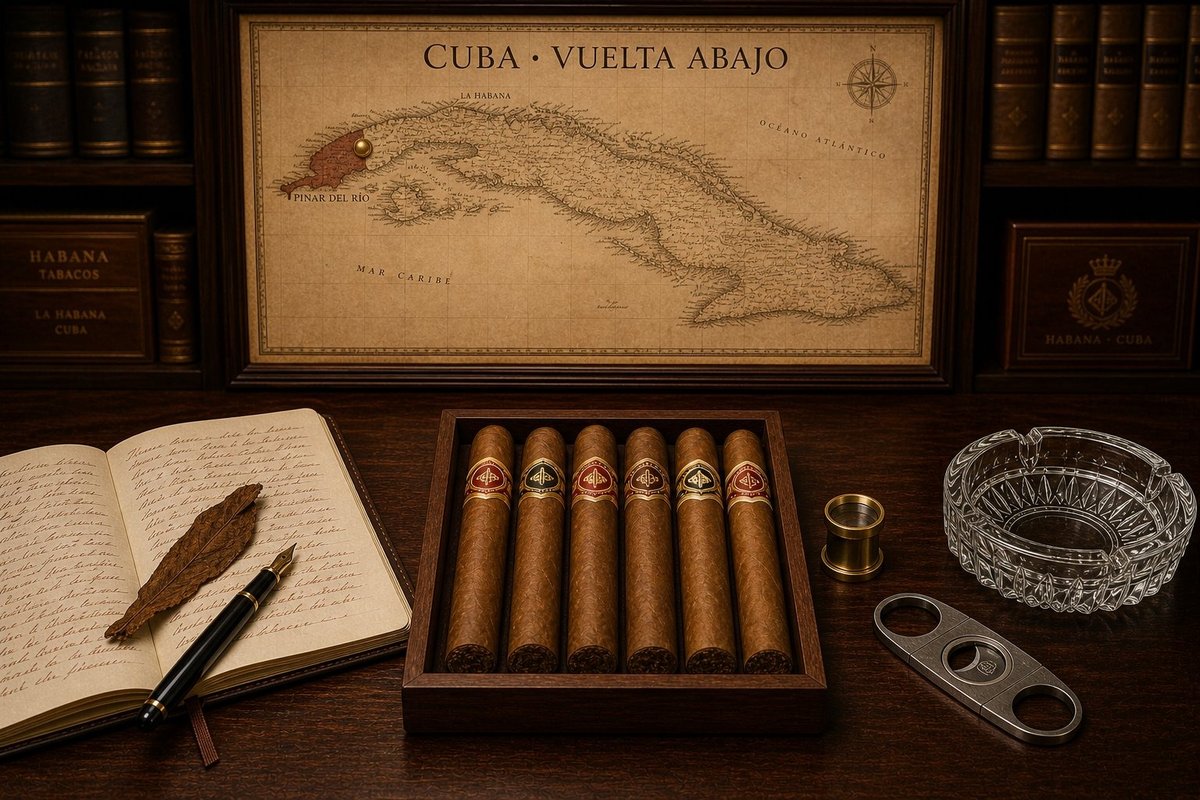
Montecristo No. 2: Easiest counterfeit because the format and band are simple. Triple cap test is most reliable; flavor test is genuinely difficult because Dominican premium production produces creditable Montecristo-style approximations.
Romeo y Julieta Churchill: Box quality and band quality are decisive; the cigar itself is well-known and counterfeits are often closer.
The Editorial Position
For aficionados without direct access to Cuba: La Casa del Habano stores in Madrid, London, Geneva, Mexico City, Tokyo, Hong Kong, and Toronto are the safest acquisition channels. They are price-controlled by Habanos S.A. and stock authenticated production. The price premium versus online "discount" is the cost of authentication.
For online purchases of Cuban cigars: only buy from sellers with documented Habanos S.A. distributor relationships and an established commercial history. Counterfeit losses in this market are not protected by the major credit card chargeback frameworks.